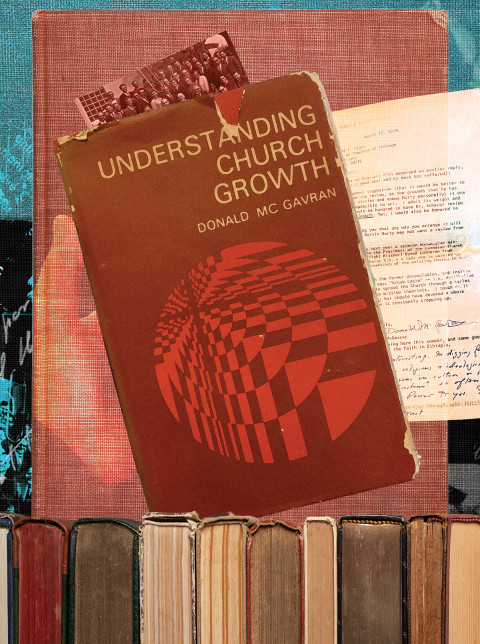
While sifting through a massive book drop at my seminary one day in 2022, I stumbled upon an old copy, torn dust jacket and all, of what is arguably the most controversial book on Christian mission in the 20th century: Understanding Church Growth. Written by the founder of the church growth movement, Donald McGavran (1897–1990), this book presented to a broad American audience a concept the author had developed over decades of researching evangelism efforts all over the globe: the homogeneous unit principle.
To grow the church as quickly as possible, McGavran wrote, evangelism should take advantage of the simple fact that people “like to become Christians without crossing racial, linguistic or class barriers” and should focus on building the church via homogenous units—groupings of people whose shared language, culture, and values make it easier to convert communities en masse.
Once a must read among the mission minded, Understanding Church Growth isn’t anymore. White flight thrived on this book, leavening the reactionary politics of the anti–civil rights movement into the very mortar of countless White churches in the United States and laying the foundation for decades of intolerance among White American Protestants. So why did I take this raggedy, bigotry-enabling book home?