


Features
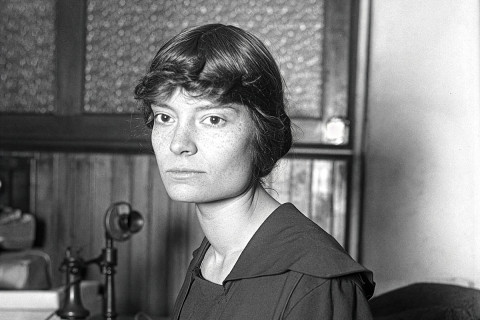
Dorothy Day never spoke of her abortion
Augustine gave me a language for staying alive
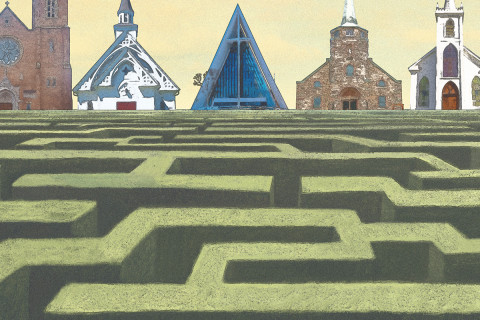
The church’s crisis of vocational theology

A betrayal of refuge
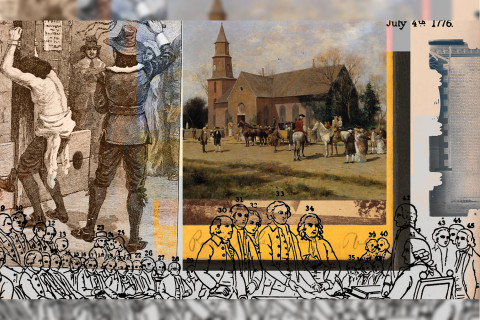
Whose Christian nationalism?
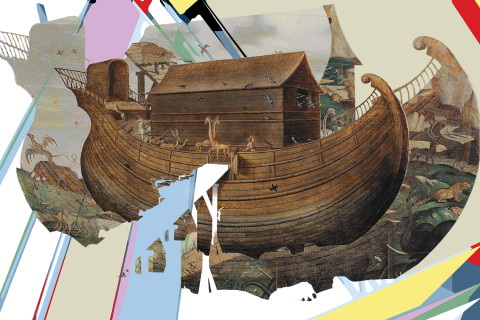
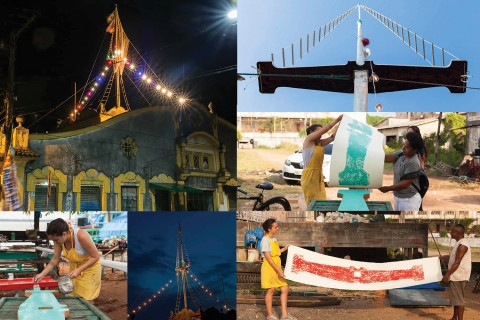
Noah’s ark in Armenia’s religious imagination
Is it ADHD? Or is grind culture the problem?
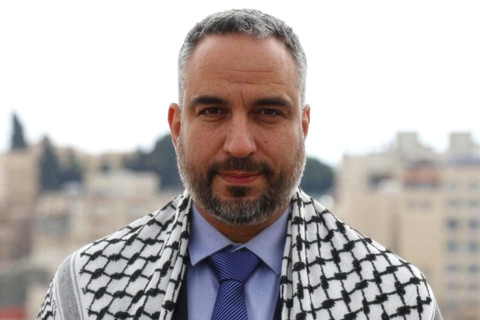
The Palestinian remnant in Bethlehem
Voices

Peter Choi
Beginning where the gospels begin
The four books open in very different settings. Together they offer a map for locating ourselves in the world.
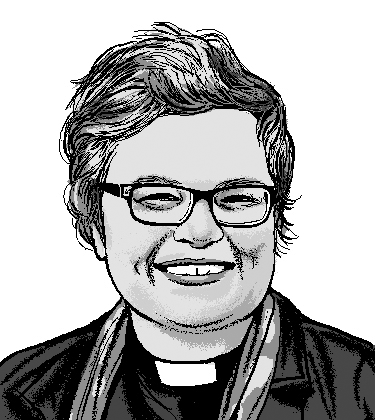
Rachel Mann
Asking “Who am I?” with Bonhoeffer
As I face unexpected early retirement, I tell myself that the answer is not yet known.

Benjamin J. Dueholm
A religion too wild to nationalize
After 250 years, US Christianity remains too diverse, splintered, and strange to be conscripted into any one political project.
Julian DeShazier
Does it matter what happened?
After years of listening to people tell their stories, I’ve begun to think that healing depends less on facts than on meaning.
Brian Bantum
At home with the Baptists
At my first gathering of Baptists in decades, I found something I didn’t know I was missing: testimony.

Melissa Florer-Bixler
What if mercy matters more than empathy?
Christian compassion begins not with imagining another person’s pain but with recognizing our shared dependence on grace.
Books
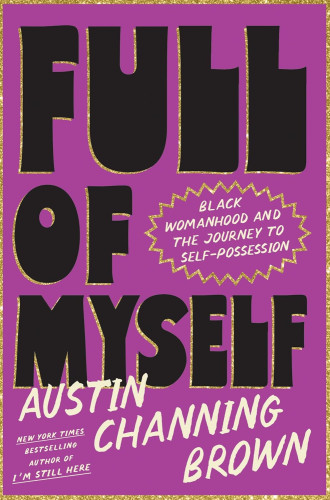
Self-possession is justice work
Austin Channing Brown writes with honesty and tenderness about exhaustion, community, and the struggle to remain whole.
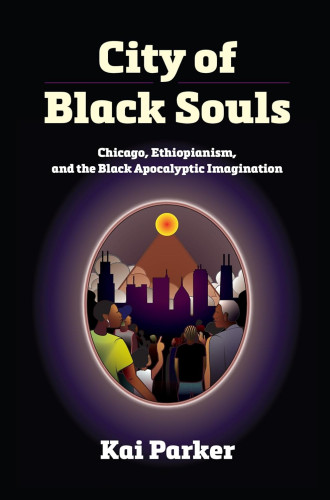
Midwestern Ethiopia
Kai Parker charts the rise of Ethiopianism, a movement that stemmed from the 1896 Battle of Adwa—and changed Chicago forever.
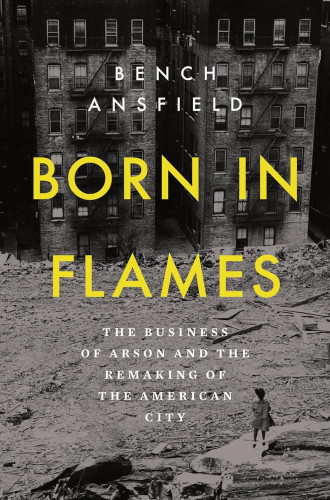
Why the South Bronx burned
Bench Ansfield argues forcefully that the arson wave of the 1970s was about racism, capitalism, and the insurance industry.
Antisemitism is more American than we want to admit
Historian Pamela Nadell traces antisemitism in the US from the colonial era to today—and the Jewish resilience that has risen to meet it every time.
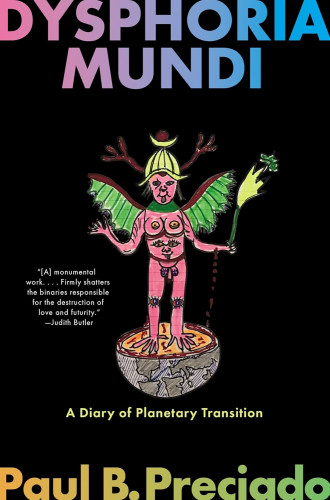
Is dysphoria both virus and cure?
Philosopher Paul Preciado’s critique of “petrosexoracial capitalism” chronicles a world that’s mutating in real time.
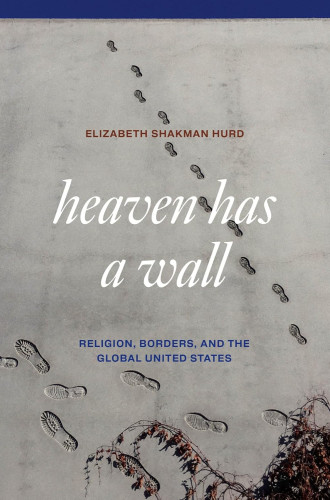
The bipartisan religion of the US border
Borders are not only political spaces, argues Elizabeth Shakman Hurd. They are also sacred objects.
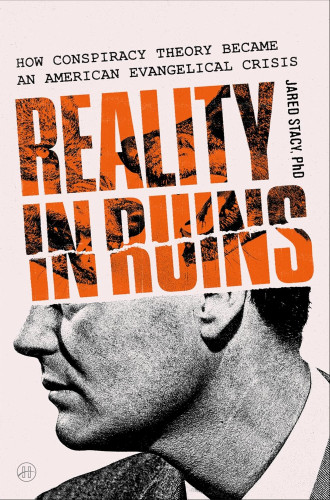
What’s the connection between evangelicalism and conspiracy theories?
According to Jared Stacy, it’s fundamentally about language and story—and it goes back to Colonial America.
Departments
End-of-life choices, the physics of faith, and more reader feedback
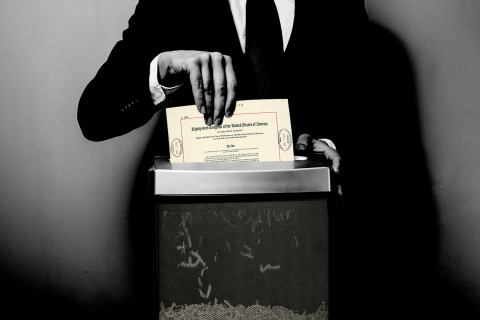
I’m mourning the end of the Voting Rights Act
Gutting the vote
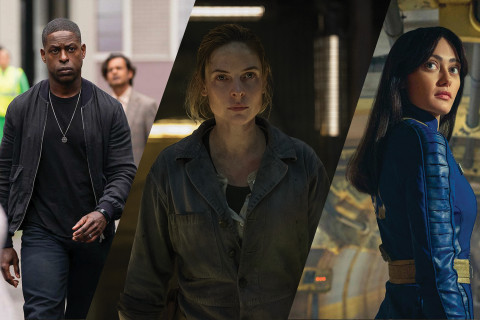
Underground apocalypse
