When I recently heard Pádraig Ó Tuama describe himself as being “in the room next door to belief,” heads nodded across the room. He had named something many people feel but struggle to articulate: the ache of stepping away from familiar convictions without entirely abandoning faith.
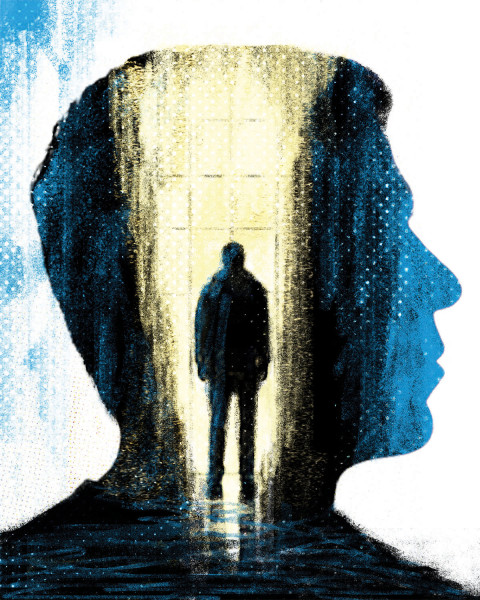
Some drift slowly away from the room of belief; others experience a sudden, painful rupture. However it happens, life will never be the same. At the same time, Ó Tuama seemed to be acknowledging that not all spiritual migration is an exodus, a total departure. Leaving certainty is not the same as leaving religion. He describes being next door to the room and hearing muffled sounds through the wall. He has left the room but not the building. In fact, the loss of belief can lead to a different relationship with faith.
It is also noteworthy that Ó Tuama describes belief as a room in the first place. To extend his metaphor: A person dwells inside a room, not the room inside the person. This way of looking at belief is humbling, for it is not so much that we hold beliefs inside us, but we are held inside a belief system. And if belief is indeed a room in a house, not a prison, with a door and the freedom to move in and out, it makes all the difference in how a person might change and grow by way of movement.