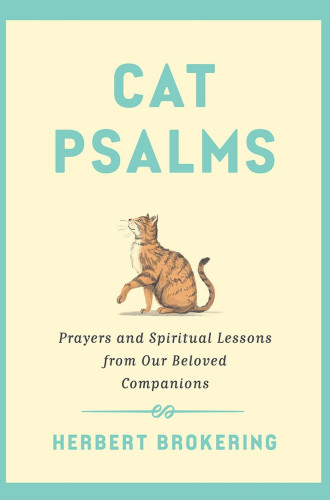
Cat Psalms
Prayers and Spiritual Lessons from Our Beloved Companions
Lutheran hymn writer (“Earth and All Stars”) and seminary professor Herb Brokering died in 2009, six years after the first edition of this book was published. When Broadleaf reissued Cat Psalms in 2023, the timing was perfect. We were just coming out of a pandemic that made us all a little more catlike: skittish about getting too close to each other, fiercely protective of our solitude, and ready to pounce on any perceived danger. Brokering’s cat psalms are genius because they’re written from a feline perspective but they’re also about humans: our desires, our fears, our weaknesses, our joys. For those who prefer dogs to cats, there’s a companion volume called Dog Psalms (but it jumps up on you and tries to lick you all the time).
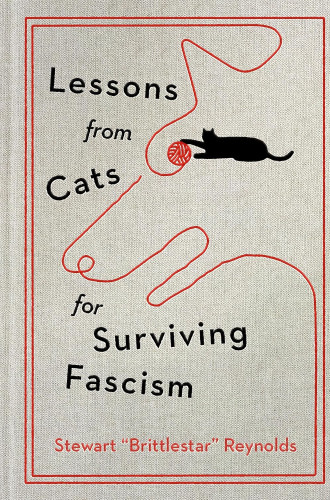
Lessons from Cats for Surviving Fascism
The reissue of Brokering’s book must have started a publishing trend, because the last few years have produced a multitude of similarly designed books of cat wisdom. Lessons from Cats for Surviving Fascism blends feline admiration with critique of the current US presidential administration and tips on how to resist it. Stewart Reynolds is a Canadian comedian (stage name: Brittlestar) who’s well-known on social media. He pulls no punches as he gleans 11 lessons in resisting authoritarianism from cat behavior: knock things over strategically, perfect the art of vanishing, take over spaces that aren’t yours, and more. “Cats don’t give up their autonomy for anyone, and neither should you.”

Read our latest issue or browse back issues.
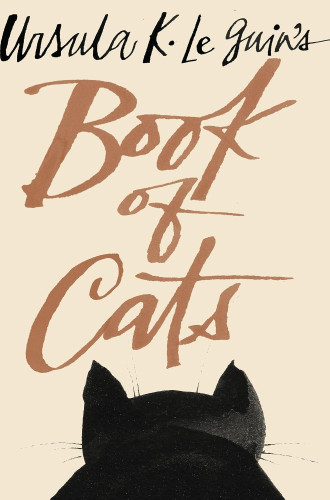
Ursula K. Le Guin’s Books of Cats
Legendary sci-fi author Ursula Le Guin was a lifelong cat lover, and this quirky little book reproduces her literary and artistic love letters to many of the cats she lived with: poems, sketches, quotations, comic strips, journal entries, doodles, and more. The highlight of the book—an epistolary correspondence between Le Guin’s cats (Frederika and Opal) and her daughter’s cat (Zorro) that covers such topics as artistic tail placement, judicious biting, strategic ignoring, and lap warming—is a world-making wonder. Every page exudes a sense of awe at the gap between feline and human ways of being. In a poem called “Lorenzo,” Le Guin writes: “He was born wild. / He has been / my silk, my gold, my wilderness.”
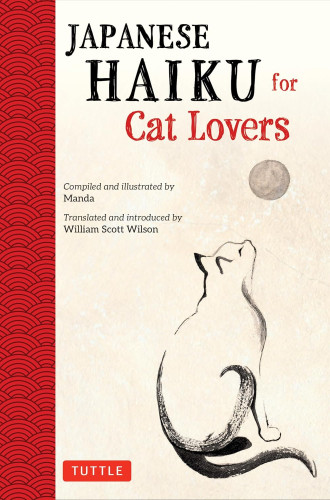
Japanese Haiku for Cat Lovers
Fans of Le Guin’s cat poems will appreciate this charmingly illustrated bilingual collection of cat haiku, written by Japanese poets through the centuries. Some of the poems describe tangible scenes (“A house of bamboo grass, / a cat and the Buddha, too; / autumnal rains”) while others have a more Zen-like feel (“Even a stray cat / knows its own / bed”). The best ones do both: “The butterfly is gone, / but the kitten still / crouches in wait.”
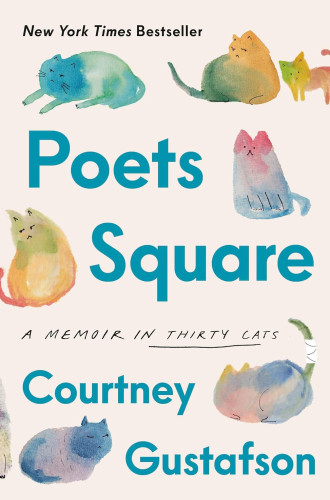
Poets Square
A Memoir in Thirty Cats
Cats aren’t all butterflies and poetry; they’re also scrappy survivors. Courtney Gustafson learned this lesson after moving into a rental house in Tucson that came with 30 feral cats. It was early in the pandemic, and the hopelessness she saw daily in her job at the local food pantry (skyrocketing unemployment, administrative chaos, severe food shortages) was mirrored in the community of wild, hungry cats in her yard. “You can’t save them all,” her boyfriend kept telling her. Still, Gustafson fed the feral cats. Soon she was naming them, petting them, photographing them, creating an Instagram account about them, and getting them spayed and neutered.
Gustafson writes beautifully, laying bare the inner turbulence and ethical quandaries that plagued her during those years. This is a thoughtful coming-of-age tale without a shred of romanticism. If you’re looking for a memoir with brief chapters, an episodic structure, and lighthearted punch lines, you may prefer NPR host Scott Simon’s Ulysses S. Cat and Other Animals I Have Known. If you want a slow-burning reflection on the redemption that emerges from immersion in the frailty of creaturely existence, pick up Poets Square.
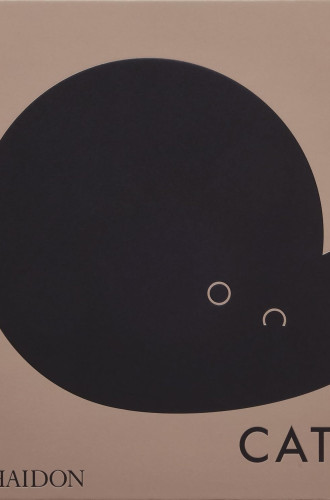
Cat
This hefty art book is exactly what it seems: a collection of cats depicted artistically through the ages. Every glossy oversized page features a piece of cat art—mosaics, paintings, sculptures, photographs, earthenware, jewelry, woodcuts, tapestries—and a brief essay about the artwork. The fun of the book is in its juxtapositions: Andy Warhol’s sketch is next to a Gustave Doré lithograph; a cat-shaped Thom Browne purse faces Godwin Champs Namuyimba’s Cat Girl painting; an ancient Peruvian nose ornament sits beside Gwen John’s portrait of her beloved tortoiseshell Edgar Quinet. Cats, it seems, are everywhere in art.
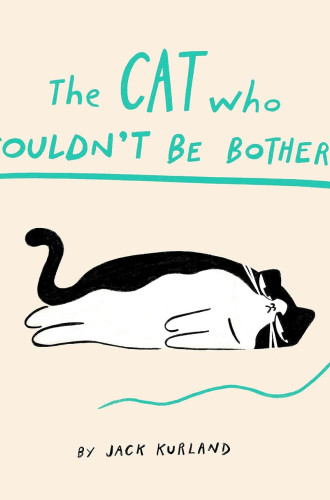
The Cat Who Couldn’t Be Bothered
Like Brokering’s cat psalms, British illustrator Jack Kurland’s debut picture book operates on two levels: it’s a story about a cat that’s also a story about being human. Greg is a cat whose friends try to engage him in fun activities, but something keeps holding him back. Finally, he explains that he’s simply feeling sad and doesn’t want to do anything. The other cats respond with empathy and kindness. Kurland’s creative use of color conveys the ethos of depression (and the relief that comes from solidarity) in a way that young children can absorb precognitively. A final plot twist reveals that all of us—professors and poets, cat lovers and dog lovers, people and pets, Gregs and Gareths—are in this together.