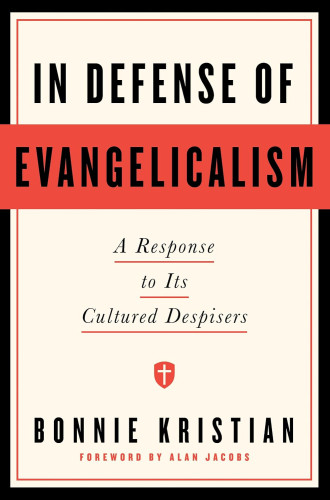
In Defense of Evangelicalism
A Response to Its Cultured Despisers
Evangelicals are in the midst of a PR crisis—which is ironic, considering the term evangelical first caught on in the United States a response to another PR crisis. When the fundamentalists lost out at the Scopes trial in 1925, becoming the laughingstock of the American public, embattled conservatives rebranded. From the harsh intolerance of “fundamentalism” was born the milder “evangelicalism.” The scowls of William Bell Riley were traded for the sunny smiles of Billy Graham.
But now the label designed to facelift a moribund traditionalism has itself been tarnished. The fact that the vast majority of White evangelicals voted for Donald Trump in 2016 (and again in 2020 and 2024) led to a cottage industry of criticisms of evangelicalism, crystallized in 2020 by Kristin Kobe Du Mez’s bestselling Jesus and John Wayne: How White Evangelicals Corrupted a Faith and Fractured a Nation. As the heat turned up, a number of evangelical churches dropped the term. More and more evangelicals now simply call themselves “Christians.”
Not everyone, however, is willing to give up on the word. In her new book, Bonnie Kristian, deputy editor of the evangelical stronghold Christianity Today, seeks to rehabilitate the label. Her premise is that evangelicals have recently been subject to a “widespread monstering” across American life. Evangelicals are portrayed as “tacky, ignorant, backwards, stupid—an embarrassing American subculture always good for a laugh from our betters.” Kristian is admirably clear that mockery and contempt do not equate to persecution. Still, the attacks clearly sting, and her book aims to deflect them.