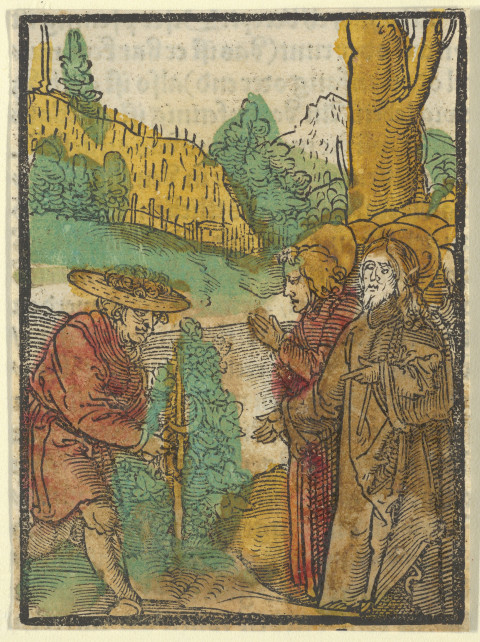
As we find ourselves in another election season, heading to the polls with decisions to make, I find myself returning again and again to one of Jesus’ parables: the workers in the vineyard (Matt. 20:1–16). It is a telling story for our political moment.
A landowner hires workers throughout the day—some early in the morning, some later, and some at the very end. When evening comes, he pays them all the same wage. Those who worked all day are angry. But why? They have not been cheated. They have received exactly what they were promised. What angers them is that those who came last have received the same. Their complaint is revealing: “You have made them equal to us.”
We are living through a moment in which competing visions of democracy and Christianity are increasingly visible in our public square. One is driven by grievance—the sense that something once possessed is being taken away. It is a politics that fundamentally operates according to zero-sum logic: equality and justice for those historically excluded are seen as inequitable and unwarranted losses of privilege, whether racial, gendered, or economic. It is a politics that experiences movement toward a just and equitable society as displacement. It turns the question from, “How can we create a society in which everyone belongs?” to, “Who is taking what belongs to us?”