


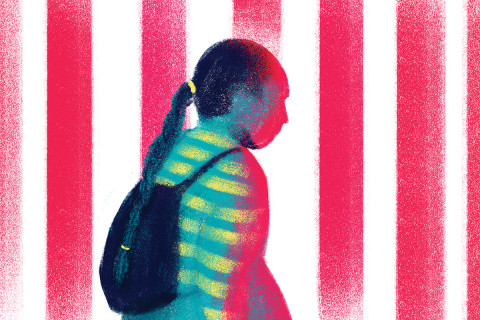
Sacred longing
Immigrants’ stories capture a deep desire for something better. Scripture shows that God longs for a better world, too.
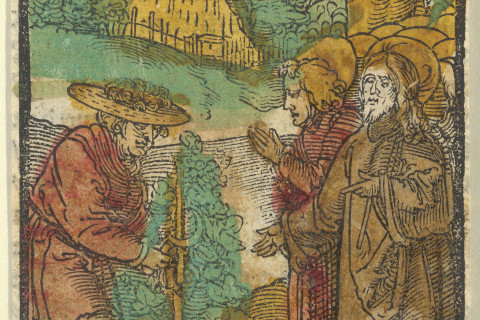
A politics of grievance in the vineyard
The language may change, but Matthew 20’s underlying question remains: Who belongs, and who does not?
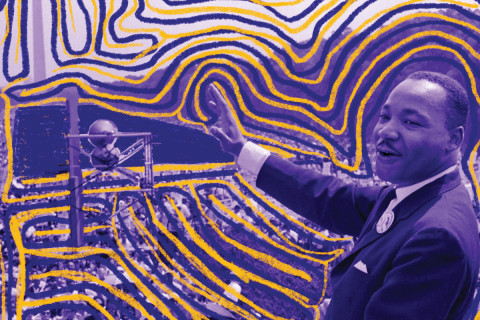
The whole, contradictory truth
Martin Luther King Jr. worked to expose the distance between what the United States professed and what it practiced.
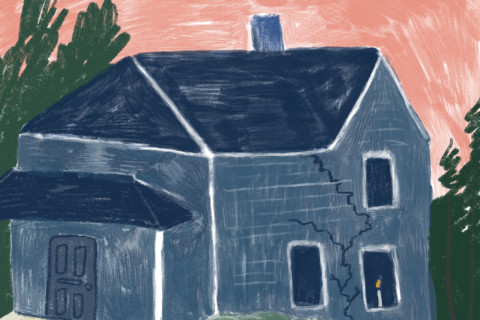
A house divided and indecent
The question is no longer just whether we can resolve our differences. It’s whether we still recognize one another’s basic humanity.
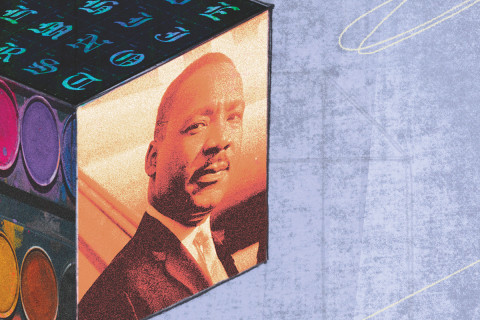
One day in April
Martin Luther King Jr. was killed exactly a year after he delivered his “Beyond Vietnam” sermon. The tension between these two events is still with us.
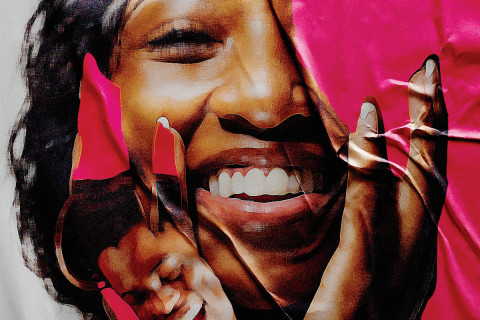
The sacred testimony of Black joy
It’s a fugitive act, a form of resistance that creates freedom inside captivity.

What history are we making?
I remember when my son first asked me what history is. I told him it’s the story we write with our lives.

Freedom and the price of the ticket
James Baldwin reminds us that those who seek to police the freedom of others are, ironically, the least free.
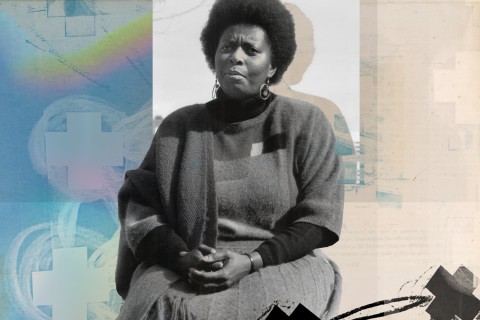
A sanctuary for banned stories
When truth is being cast as lies, the sacred work of storytelling is urgent.
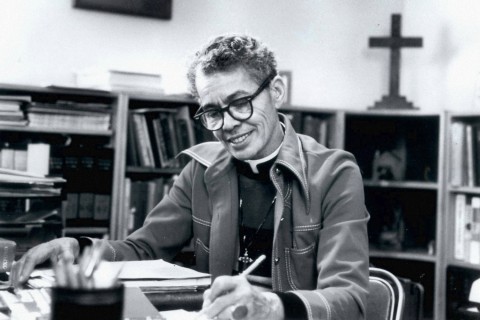
Pauli Murray’s song of hope
Her contributions to this nation can hardly be overstated. The federal government’s attempt to erase them has theological implications.

What does it mean to be a Christian in these times?
We have a cross at the center of our faith, and we need to start acting like it.
How do we know Black lives matter to God?
I used to wonder about the propriety of faith in a White Jesus. Now I struggle with the efficacy of faith at all.
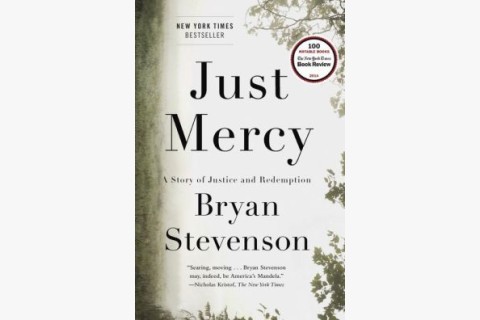
When mercy and justice meet
As we make laws and try to adjudicate justice, we often lose sight of the human faces affected.