
A theology of impossible cheeseburger pie
A seminary cookbook from 1984 led me to revisit the potlucks—and the beliefs—of my midwestern childhood.
Becoming manna
There’s a connection between a desire to care and the offer of food. We’re committed to each other’s survival.

The flavors of Bethlehem
Fadi Kattan’s cookbook is the story of a city told through its food. It’s also a quiet testament to faith.

The academy needs better theologies of cooking
The first step is to give voice to those whose work in the kitchen is shaped by necessity, not choice.
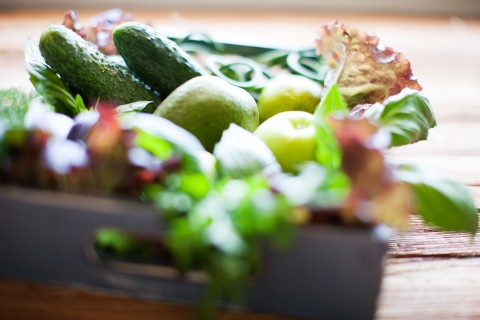
Vegetables that are fearfully and wonderfully made
My friend left me his CSA share for two weeks. It changed the way I look at labor.
A dinner party where women talk food
Alissa Wilkinson imagines Maya Angelou hosting Hannah Arendt, Octavia Butler, Laurie Colwin, and others.
Cooking my way through Africa’s east coast
Hawa Hassan and Julia Turshen offer a rare thing: an English-language cookbook of African food that isn’t from Ethiopia.
Lisa Donovan tells the stories behind the recipes
Our Lady of Perpetual Hunger exposes the misogyny within the restaurant industry.
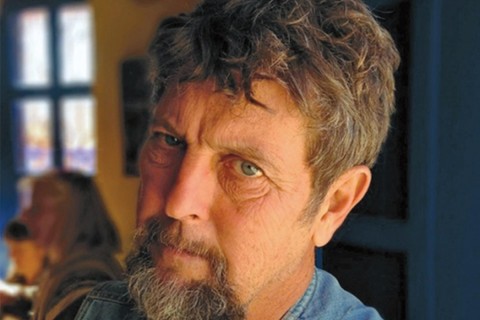
Ethnobotanist Gary Nabhan on food justice and Jesus
“Jesus was preaching to people who were in the middle of the worst farming and fishing crisis yet.”
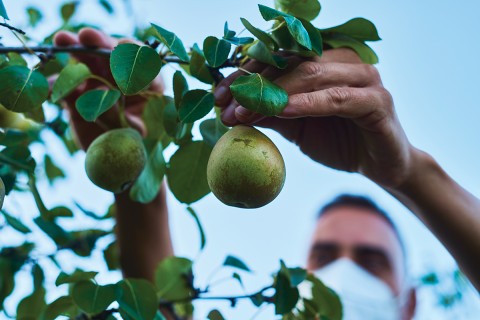
The pandemic didn’t make our food system vulnerable
It always has been—because vulnerability is part of creation.

Indulgence: Essays by readers
We gave our readers a one-word writing prompt: “indulgence.”
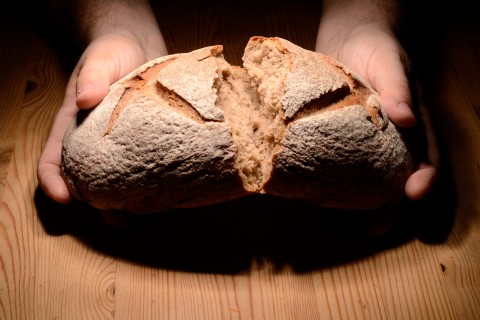
In West Virginia, the teachers’ strike made new space for Eucharistic living
A church on my street fed food-insecure kids while schools were closed. The work of justice flowed outward from the table.
The binding constraint on progress against hunger and malnutrition is weak political commitment.
Several weeks ago, Chipotle founder Steve Ells published a column headlined "Conventional vs. Grass-fed Beef." As you've probably heard, Chipotle prefers the latter—the fast-casual burrito chain has a lot to say about agricultural reform, ethical food, etc. But here the subject is more complicated than the title suggests: Ells was defending Chipotle's decision to stop buying exclusively domestic beef in favor of importing some of it from Australia, where the grass-fed supply is better.
It's a classic food-ethics connundrum: should you go with the higher production standard, or the food produced closer to home? Chipotle chose the former, a perfectly defensible choice if you just have the two.