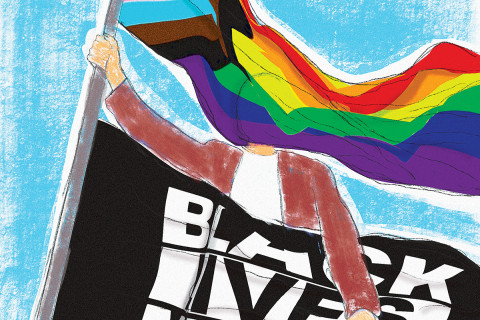
To wake up each morning during this time in our nation’s life is to feel disoriented. Each day seems to bring new challenges to our democratic aspirations—attacks on immigrants, the erosion of voting rights, renewed questions about citizenship, and undeclared wars of choice. Faced with these challenges, I find myself turning more and more toward history, searching the past for guidance—knowing that we have faced similar moments before. And no month speaks more powerfully to the repeated struggles of this nation than June.
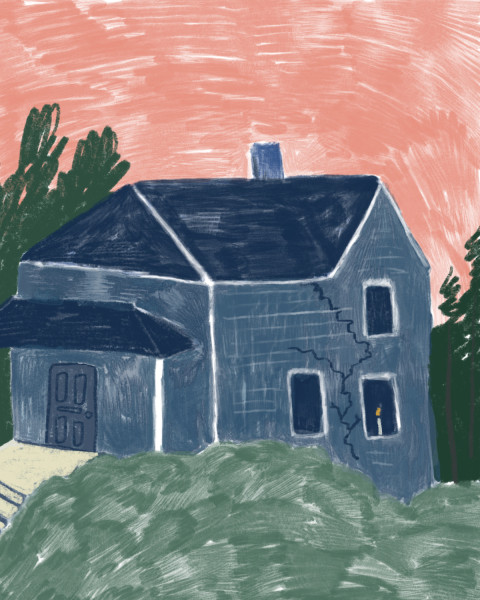
It was on June 16, 1858, that Abraham Lincoln delivered his famous “House Divided” speech, during his Senate campaign against Stephen Douglas. Speaking in the shadow of the 1857 Dred Scott decision—which denied Black Americans citizenship and threatened to extend slavery’s reach deep into the North—Lincoln issued a dire warning: The nation could not endure permanently half slave and half free. “A house divided against itself cannot stand,” he declared.
June has continued to mark pivotal moments, if not inflection points, in this nation’s history. Juneteenth commemorates the emancipation of enslaved people in Texas, delayed until June 19, 1865. Medgar Evers was assassinated in June 1963 for his civil rights activism. The Stonewall uprising in June 1969 ignited the modern LGBTQ rights movement.