As we mark Black History Month—100 years after Carter G. Woodson inaugurated Black History Week in 1926, and as the organization he founded reflects on a century of commemorating Black life—I find myself thinking about Black joy.
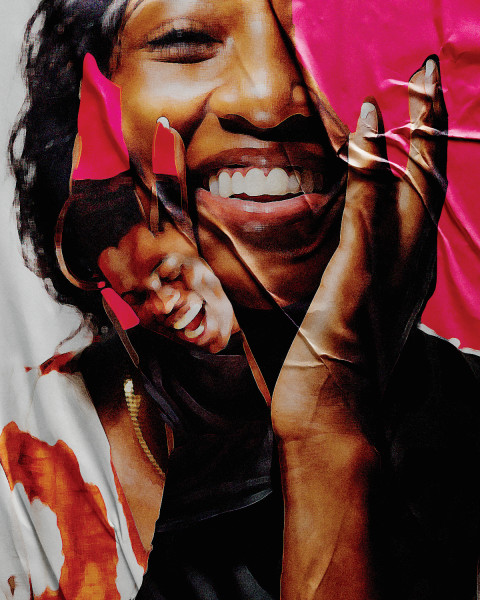
Black history, in all its pain and triumph, is also a testament to joy. Across generations of violence, injustice, and systemic dehumanization, Black people have insisted on their humanity. One of the most powerful expressions of that insistence has been joy. Black joy is real—both a lived experience and a historical legacy of Black resistance. Black joy is a fugitive act.
Fugitivity refers to the radical refusal to accept the limits imposed by oppressive systems. It describes acts of resistance that emerge within conditions designed to foreclose possibility—conditions in which, as Ashon Crawley says, “otherwise possibilities” seem out of reach, where agency appears impossible. Yet it is precisely there that subversion, refusal, and liberation erupt. These acts are fugitive because they create freedom inside captivity.