John 6:30–35
Consider the loaf—rye, barley, spelt, corn, oat, wheat—
leavened or not, quick or slow, sweet or sour, rising
in a warm corner, rolled out, or ready to be dropped
from a spoon: egg bread, or bread made with nothing
but flour mixed with a little water, and perhaps salt or oil.
Flatbread, biscuits, corn pone, fry bread, naan, lavash,
focaccia, injera, shaobing, pan dulce—bread, UNESCO’s
Intangible Cultural Heritage of humanity. How long
can a human being live without it? Or the human spirit?
Consider how bread soaks up whatever is poured over it
or it’s dipped in, how it accepts whatever is put inside it
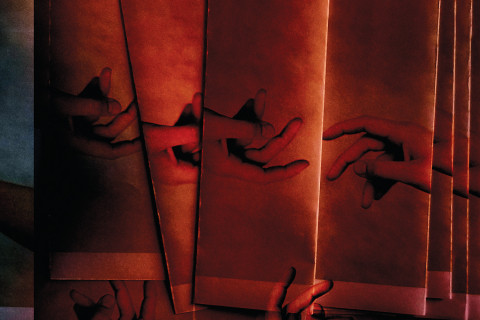
or spread upon it: how it serves, can even be, a kind of hand.
In Zarephath, a widow, soon to starve along with her son,
fed hungry Elijah from the only bit of flour and oil she had left.
On a mountain near the Sea of Galilee, a small boy gave
five barley loaves and two fish that others might be fed.
Then, on the mountain, in Zarephath, a few loaves,
a handful of flour, became much. And much more.