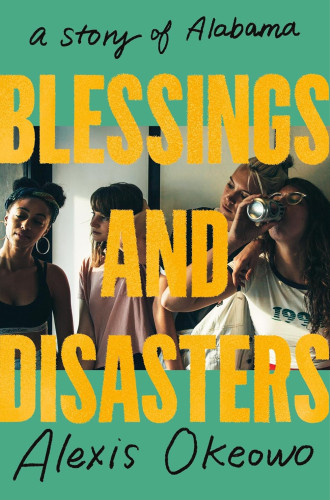
Blessings and Disasters
A Story of Alabama
In 1860, the captain of the slave ship Clotilda conducted an illegal trade for 110 enslaved people on the West African coast. He brought them to a plantation owned by the Meaher family at Magazine Point in Mobile, Alabama. Five years later, this last group of involuntary immigrants to the United States from Africa was emancipated. Lacking the resources to return home, they founded a free community in 1866, Africatown, less than two miles from Magazine Point. In 2019, the Clotilda was found at the bottom of the Mobile River, and today, the Africatown Heritage House offers tickets and school tours to see the remnants of the ship.
In Blessings and Disasters: A Story of Alabama, Alexis Okeowo writes that “the story the state started to tell about itself began in the aftermath” of the Civil War. Their book—a blend of Alabama state history, reporting on its current issues, and memories of their life growing up in Montgomery as the daughter of Nigerian immigrants—tells a new story. More importantly, it reminds readers that how one tells the story of home involves choices that have real and profound consequences.
Love for Alabama’s land and its diverse people seeps through the pages of this book in rich variegation. The land, Okeowo writes, “is made up of layers of soil tinted red and brown and black, enriched with clay, sand, iron, and the remains of whoever lived on and fought to stay on it at the time.” Historically, it has been called the “Black Belt,” a reference to its dense, dark soil, which has “persisted through plunder and upheaval. The green is the sign of our survival, that we made it, and will keep making it, past what keeps seeming like the worst.”