I spent this summer unemployed after a layoff. I hadn’t exactly loved my job, but nor had I expected to be unceremoniously booted from it. It wasn’t a crisis, really—I’ve been a freelancer of some kind or another for nearly a decade now, so I had people and small jobs to turn to, a stream of income that wasn’t quite what it had been but was enough. Still, it was a bit jarring to go from a job with a 45-minute commute and a full day of emails and Canva posts to suddenly having whole entire days stretching out in front of me, unspooling with the slow humidity of summer.
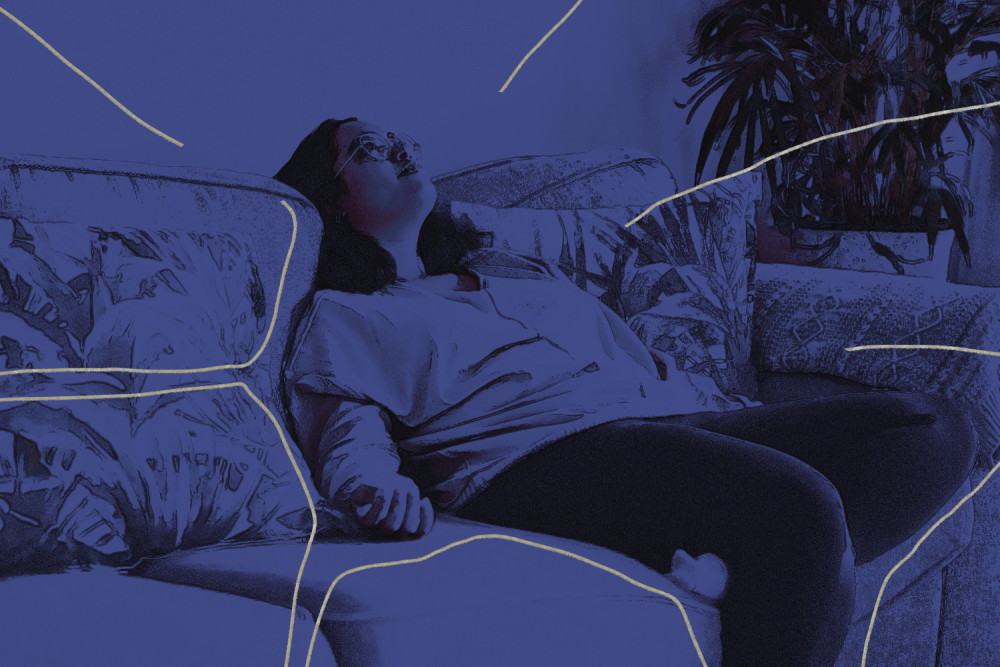
Parts of it were nice. I read a lot during what had been my workday, did early morning beach visits, was able to host friends and go to my sister’s graduation without worrying about returning to an overstuffed inbox or using up too many vacation days to go to my friends’ weddings in the fall. Other parts were less nice. I fell into a lot of questionable habits—sweatpants usage far exceeding what polite society recommends, emotionally necessary midday X-Files breaks, earnest attempts to fuse with the couch whilst doomscrolling. Applying to any job was like dragging myself through molasses. Just about everything felt like more trouble than it was worth. I was burned out and exhausted. I had been dealt a bum hand, but I was also letting myself wallow in a kind of summer-sludged self-pity.

Read our latest issue or browse back issues.
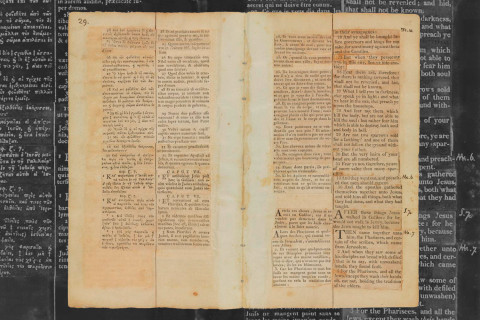
And then I came across Kathleen Norris’s Acedia and Me. In it, she characterizes acedia as not just the “noonday demon” that besieged the Desert Fathers and medieval monks in their cells, whispering that all their work and their commitments were for naught, but as something that has stayed with us through the present day. “At its Greek root, the word acedia means the absence of care,” Norris says. “The person afflicted by acedia refuses to care or is incapable of doing so.” The rest of her book is an exploration of these ideas, filtered both through Norris’s autobiography and through her musings on the world at large.
Norris separates acedia from depression, joins it to the feeling of helplessness in the face of political upheaval and catastrophe, complicates her grief with it, contemplates it as the regular companion of the writer. It’s both a demon, external to you, and a lurking, sinful self you can surrender to. As she described and uncovered each new facet of it, I nodded along—yes, I knew this feeling, yes, I was mired in it. My experience with acedia went beyond just my career aspirations and into my interactions with the world. It was a rough summer to be living in the United States. I felt numbed and helpless, horrifying New York Times alerts on my phones eliciting no more than a raised eyebrow, a sense of doom at the unfurling future. I saw the feeling reflected in the kind of detached irony of the jokes online even as protests and active community resistance took place across the country.
I think one of the most horrifying results of acedia is not just the lack of care but that it makes any and all care look foolish. No amount of activism, of physical intervention or community actions, could possibly change the circumstances we are in, so why bother? Why bother reaching out to neighbors, building community, calling your representatives, any of it? Why write an essay, why tend a garden? All of it is dust in the wind, and you’re stupid for carving out a moment of meaning or beauty for yourself. This is not my default orientation toward work—I’ve written in this column again and again about the need to reach beyond myself, to show up, to make activism and art-making a regular part of my life. It was this insidious voice, this existential shrug that kept me pinned to the couch—and it was also what made me realize something was wrong.
I wish I could tell you that Norris’s book was enough to snap me out of it, that I read all 300-some pages, closed the book, and immediately dusted myself off, changed into pants with a hard waistband, and went out into the world, ready to engage with the heartbreak and difficulty of it all. Unfortunately, I think acedia doesn’t quite work that way—there will always be a difference between diagnosing a problem and fixing it. Norris, however, leaves the reader a road map out of acedia. Throughout the book, over and over again, she shows up. To church, to the writing, to the real world and life itself.
I’m trying to do the same for myself now, easing myself into the patterns and sounds of life beyond my couch, trying to imagine futures for myself that go beyond the final season of The X-Files, reminding myself that it matters if my room is clean and my essays get filed. I know this because I feel such profound gratitude when my husband wipes down the counters after I cook. I know this because words Kathleen Norris wrote nearly 20 years ago are today working to pull me out of a kind of midlife slump. The work we do in the world matters, and the care we take matters, too. Even if I have to remind myself of it more often than I’d like.