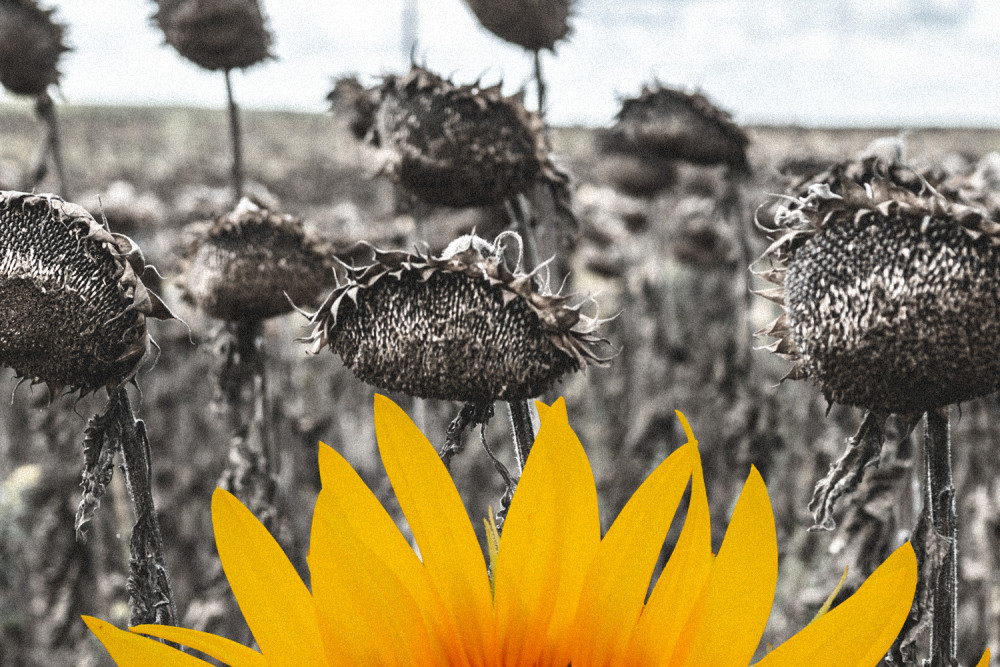
The pain of birth is well documented. When we talk about birthing life, we are to understand it as beautiful, miraculous, full of potential. But pushing out a human also hurts, which has birthed (sorry) all sorts of metaphors about labor pains and hard work and the energy it takes to bring new things into the world. I don’t need to go into it; you’ve heard the sermons. Birth is hard, and birth is good, such that women across time have been condemned by others and themselves if they are unable to participate in the miracle. Or if they choose not to, God forbid.
The subject of rebirth is strange in a different way. We love to talk about it, about coming alive again, starting over, writing the next chapter. Publishing houses have whole shelves—whole imprints—dedicated to helping us do it, and there are soundtracks and haircuts to emphasize the drama of the borning again being done. It all sounds fun, and anyway Jesus says we have to do it, so when it’s my turn, I’ll be ready! The Bible doesn’t even describe the process of Jesus’ resurrection; it is taken as a matter of fact, a good thing that happens after a bad thing. And this is how many Christians tend to think about rebirth: In a life of faith, it is inevitable. A new and better life is waiting for us, and all we have to do is walk down the aisle to receive it.
Recently, amid a prolonged and ongoing period of grief, I began to think differently about rebirth. Several significant losses and trials have me reeling, and I don’t question whether healing will happen—it’s already happening. But what does “new” look like on a floor already covered with blood? What do new trust and hope sound like, what do they feel like in my body, when old hopes have been dashed and trusts betrayed?
Birth does not know that anything can go wrong; rebirth knows not only reasons for caution but the very real presence of death. It knows that upon this land of the heart where something must be born, something else has died already. This is not terrain where only good crops grow—weeds live here too and have worked their killing magic more than once. Birth announces itself as alive. Rebirth knows how hard it is to stay alive.
Can we just decide to turn it all around? Anyone who says that has not known the stench of dead things.
This is of course why people don’t buy houses where slayings have occurred: It’s hard to even imagine making a good life where so much bad has happened. And it’s why new church plants continue to outpace church revitalizations—they’re a lot less messy. The ease of rebirth is a lie that any addict, any parent who has lost a child, any grieving widow can see right through. Or ask any veteran, woman, person of color, disabled person—anybody the world is hoping will “get better.” Or just ask anyone hurting right now. Ask me. Ask yourself. Is it as easy as making the decision to turn it all around? Anyone who says that has not known the stench of dead things.
We are a grieving people in a grieving nation. So many people are looking forward to a time and a place that’s better than this. In Toni Morrison’s novel Beloved, a master class on grief, the character Sethe is seeking her own freedom, the kind we now take for granted. She stumbles upon Amy, who, while tending Sethe’s tired-from-running feet, delivers perhaps the book’s entire thesis in one line: “Anything dead coming back to life hurts.” She is talking about feet, but also people and feelings and—I won’t spoil it for you. She is not warning Sethe but reminding her of what both of their bodies already know: Coming back hurts.
And it doesn’t get easier if you change the metaphor from “coming back” to “moving forward” or whatever. It’s all the same truth: Where something has died, something else must now be born, and it’s going to be terrible. It’s going to feel awkward—getting out of bed when you don’t want to, eating when you don’t want to, some days even existing when you don’t want to. This is the Friday night and Saturday before the resurrection, when the thing is happening and there’s no pleasure in it. There’s nothing happy to post on social media, just whatever your version is of I’m still here, folks. There’s a pain I’m experiencing, and I can’t run from it. Endure with me. This is the good news.
My point isn’t “no pain, no gain”; I’m not here to extol the benefits of taking an occasional beating. No. I wish you, me, and everyone else the smoothest path possible to life abundant. But when it isn’t smooth—not if, but when—and it feels unbearable, this isn’t because you’re doing it wrong. It’s because “anything dead coming back to life hurts.” There are feelings to navigate; heavinesses that, if grace allows, will feel lighter over time; ground to aerate because death gives way to life. There are organizations to restructure, plans to revisit, difficult conversations to have. More losses to unfold. Deeper and heavier-yet truths to find and then carry. Death gives way to life.
We are a resurrection people, but not one of us who has experienced coming back to life again can say it was easy. In these times, we need to hear those voices again. We need to be reminded that there’s no easy way, but there is a way.