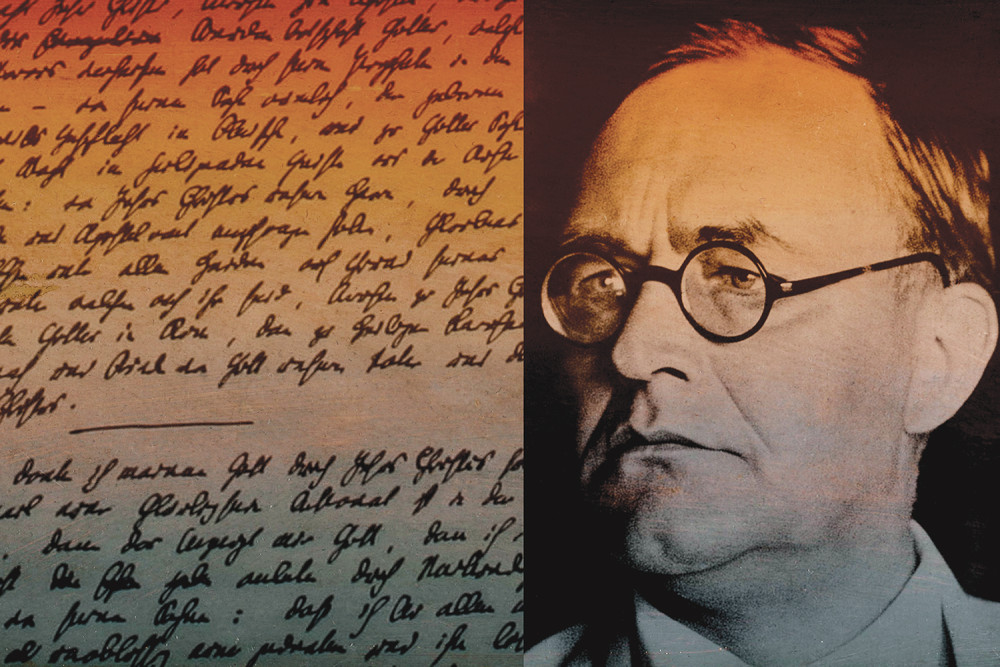
In October 1914, a 28-year-old Swiss Reformed pastor named Karl Barth opened a newspaper and read something that would shatter his faith in the European intelligentsia.
Remembered today as the Manifesto of the Ninety-Three, the document was a fierce defense of Germany’s conduct in the opening weeks of the First World War. It categorically denied both sensationalized and well-documented reports of war crimes, including the so-called Rape of Belgium, in which invading troops killed nearly 6,000 civilians and drove 1.5 million more from their homes; the manifesto insisted that Kaiser Wilhelm II’s armies were fighting as the indispensable guardians of European culture.
Addressed “To the Civilized World!,” the manifesto implored the global public: “Have faith in us! Believe, that we shall carry on this war to the end as a civilized nation, to whom the legacy of a Goethe, a Beethoven, and a Kant is just as sacred as its own hearths and homes.” It was an appeal endorsed by a roster of minds few societies in history could rival. Yet it would soon stand as a permanent monument to how readily brilliance can become the slave of pride, power, and propaganda.