March is International Women’s Month, but amid turmoil across the Middle East and heightened domestic discord, it feels challenging to welcome the occasion on a celebratory note. Suppressed truths continue to surface about the widespread abuse of minors, politicians continue to consolidate power at the expense of the marginalized, and dozens of Iranian schoolgirls have been killed in men’s wars. These are not new afflictions; however, with the seasons of Lent and Ramadan also upon us, I find myself turning to Abrahamic sacred history to help make sense of the moment. In this spirit, here are three lessons from Abrahamic female figures for International Women’s Month.
To save a life is to save all of humankind
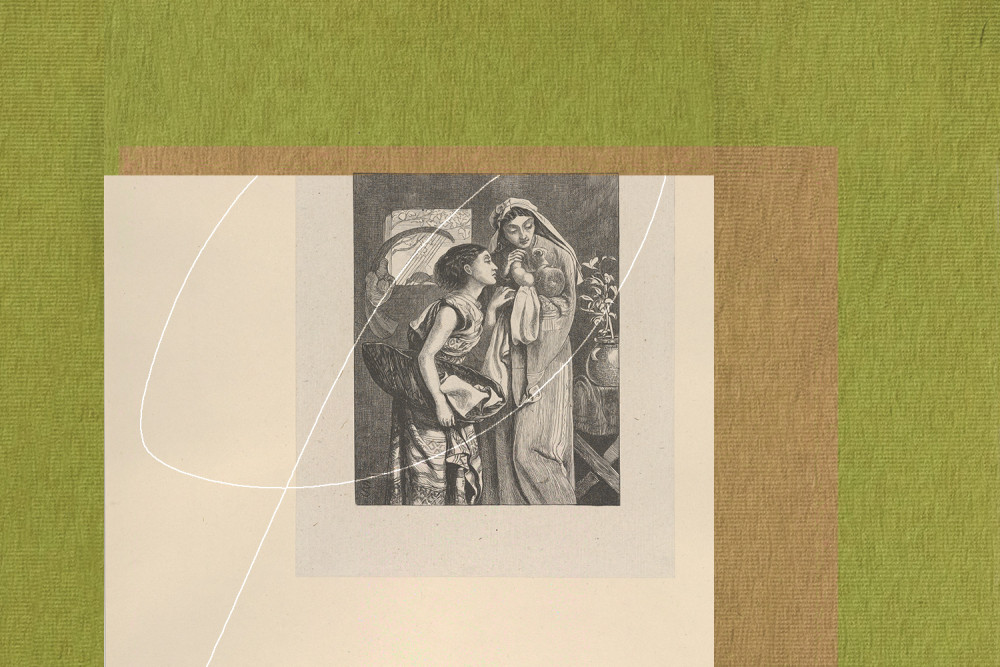
The Hebrew Bible and the Qur’an celebrate the courage of a woman and her daughter from an ethnically marginalized class: Moses’ mother and sister. In a story that has inspired people across millennia, female figures surrounding Moses transcend ethnic and class divides to subvert the impulsive orders of a corrupt sovereign. When Pharaoh’s troops target them as ethnic minorities, Moses’ mother trusts her intuition and puts Moses in a basket so that he can float to his escape. Moses’ sister then follows the basket down the river toward the palace. When the baby is retrieved from the river by Pharaoh’s household, this sister uses her quick wit to reunite her brother and mother. Her ruse saves her brother, making her a model of intrepid resistance in cases where minorities are subjected to political persecution.
This story also highlights one of Pharaoh’s family members, a compassionate woman who persuades Pharaoh to adopt Moses rather than have him slain. She is a woman with a clear mind about where her ethical allegiance lies and the courage to stand for what is right. Elsewhere, the Qur’an asserts—harkening back to the biblical ethic—that protecting one life is akin to saving all of humankind. When leaders brand entire groups as political threats, and when cruelty is dressed as strength, the story of the female figures around Moses offers a model for determined resistance and inspiration for those of us who refuse to be complicit.
Let stable minds prevail
Unlike the tyrannical Pharaoh on his quest to persecute ethnic minorities, the Queen of Sheba in the Qur’an exemplifies a sovereign with poise and discernment. The queen is a commanding figure whose throne rivals King Solomon’s in Jerusalem. When Solomon sends her a summons to “come in submission,” she responds not with bellicosity but with calculated diplomacy, consulting her advisers and prudently warning them to avoid the destabilizing effects of military intervention. Her exercise of political wisdom exemplifies true dealmaking, and her words affirm her inherent dignity in the face of the tendency toward egoism: “I submit with Solomon to the Divine,” she pronounces. She doesn’t engage in a battle of egos, but she looks toward a higher sovereign, making her a model of strength through humility. At a time when missiles are being exchanged, her counsel is urgent: true strength lies in restraint and in refusing to let ego drive statecraft.
Don’t let the powerful get away with the exploitation of minors
The Abrahamic tradition presents female figures as agents of their own destinies who exhibit moral courage and exercise diplomacy with grace. But at least one woman lies and attempts to cheat the system—such is life. In the Hebrew Bible and the Qur’an, a viceroy’s wife attempts to seduce a youth in her care. Known to Muslims as Zulaykha—Potiphar’s wife in the Bible—she plays the victim when she gets caught and attempts to suppress the evidence. She uses her political clout to silence the youth. To mitigate the affront to her character, she seeks to implicate other aristocrats, who become her willing pawns. Her confession comes years later, when her accuser’s attempts to seek justice are finally efficacious. The story reminds us not to trust sovereigns who are willing to lie, exploit innocents, use their status to conceal their culpability, and sink into the abyss of corruption while deflecting blame and maintaining an air of righteousness. Emboldening such individuals makes us share in their culpability.
The corrupt will be accountable, scripture promises, when the truth inevitably comes to light. In the meantime, let us honor the foremothers and intrepid girls who persevere through adversity and the prudent female leaders and diplomats among us. Let us continue to rise and demand justice, accountability, dignity, and peace this International Women’s Month—and every day.