I spent this summer unemployed after a layoff. I hadn’t exactly loved my job, but nor had I expected to be unceremoniously booted from it. It wasn’t a crisis, really—I’ve been a freelancer of some kind or another for nearly a decade now, so I had people and small jobs to turn to, a stream of income that wasn’t quite what it had been but was enough. Still, it was a bit jarring to go from a job with a 45-minute commute and a full day of emails and Canva posts to suddenly having whole entire days stretching out in front of me, unspooling with the slow humidity of summer.
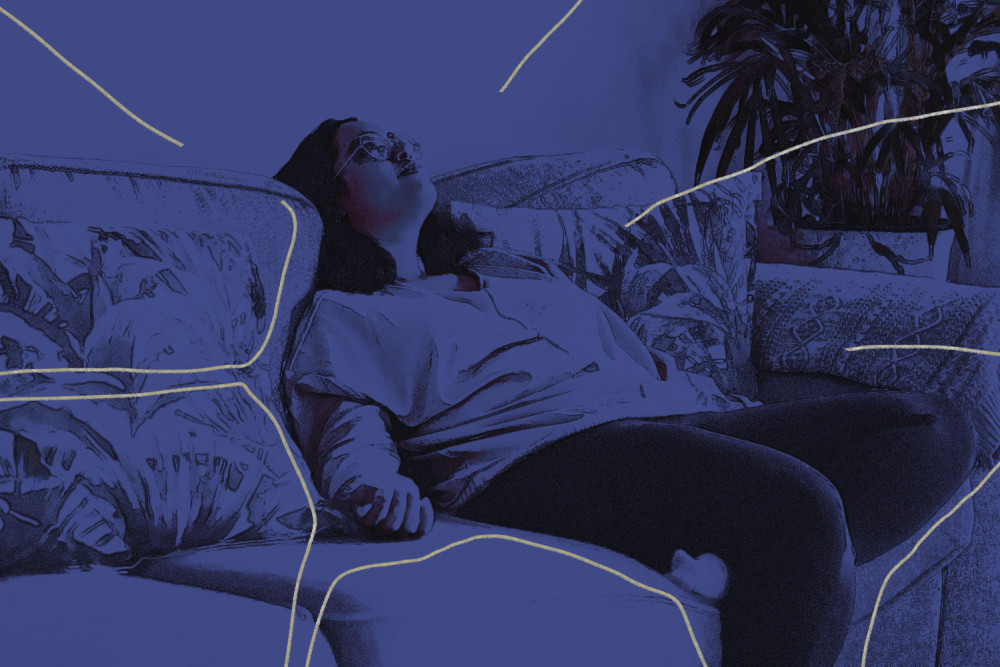
Parts of it were nice. I read a lot during what had been my workday, did early morning beach visits, was able to host friends and go to my sister’s graduation without worrying about returning to an overstuffed inbox or using up too many vacation days to go to my friends’ weddings in the fall. Other parts were less nice. I fell into a lot of questionable habits—sweatpants usage far exceeding what polite society recommends, emotionally necessary midday X-Files breaks, earnest attempts to fuse with the couch whilst doomscrolling. Applying to any job was like dragging myself through molasses. Just about everything felt like more trouble than it was worth. I was burned out and exhausted. I had been dealt a bum hand, but I was also letting myself wallow in a kind of summer-sludged self-pity.
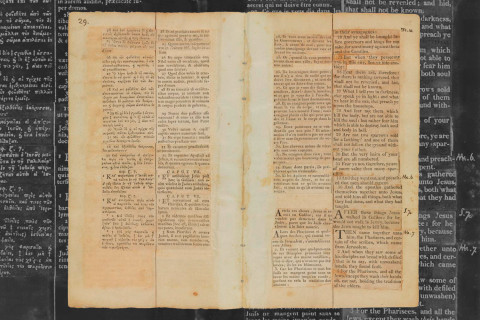
And then I came across Kathleen Norris’s Acedia and Me. In it, she characterizes acedia as not just the “noonday demon” that besieged the Desert Fathers and medieval monks in their cells, whispering that all their work and their commitments were for naught, but as something that has stayed with us through the present day. “At its Greek root, the word acedia means the absence of care,” Norris says. “The person afflicted by acedia refuses to care or is incapable of doing so.” The rest of her book is an exploration of these ideas, filtered both through Norris’s autobiography and through her musings on the world at large.