

March is International Women’s Month, but amid turmoil across the Middle East and heightened domestic discord, it feels challenging to welcome the occasion on a celebratory note. Suppressed truths continue to surface about the widespread abuse of minors, politicians continue to consolidate power at the expense of the marginalized, and dozens of Iranian schoolgirls have been killed in men’s wars. These are not new afflictions; however, with the seasons of Lent and Ramadan also upon us, I find myself turning to Abrahamic sacred history to help make sense of the moment. In this spirit, here are three lessons from Abrahamic female figures for International Women’s Month.
To save a life is to save all of humankind
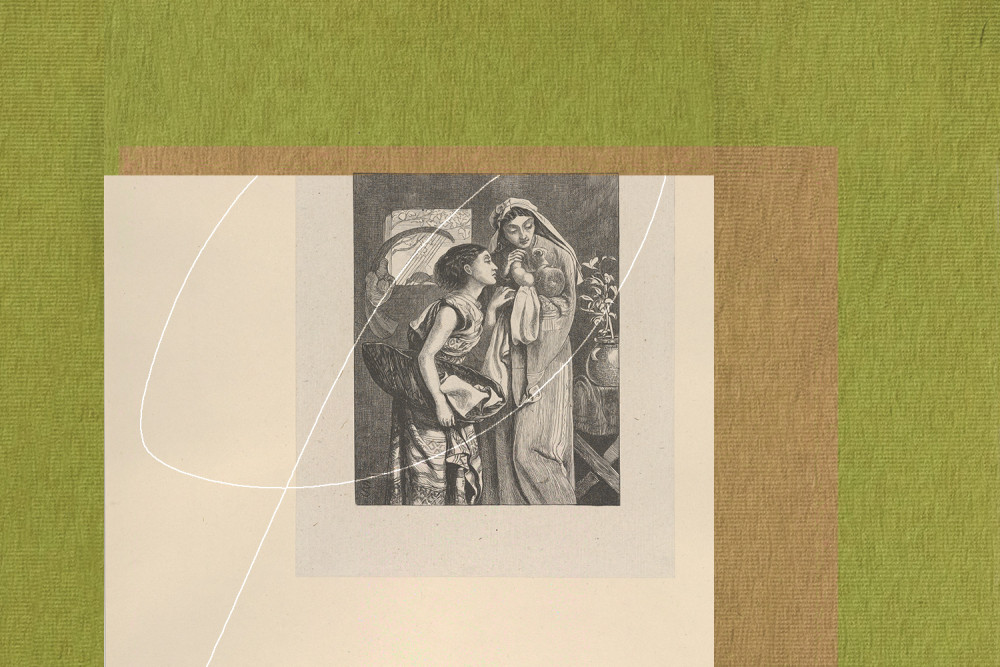
The Hebrew Bible and the Qur’an celebrate the courage of a woman and her daughter from an ethnically marginalized class: Moses’ mother and sister. In a story that has inspired people across millennia, female figures surrounding Moses transcend ethnic and class divides to subvert the impulsive orders of a corrupt sovereign. When Pharaoh’s troops target them as ethnic minorities, Moses’ mother trusts her intuition and puts Moses in a basket so that he can float to his escape. Moses’ sister then follows the basket down the river toward the palace. When the baby is retrieved from the river by Pharaoh’s household, this sister uses her quick wit to reunite her brother and mother. Her ruse saves her brother, making her a model of intrepid resistance in cases where minorities are subjected to political persecution.


