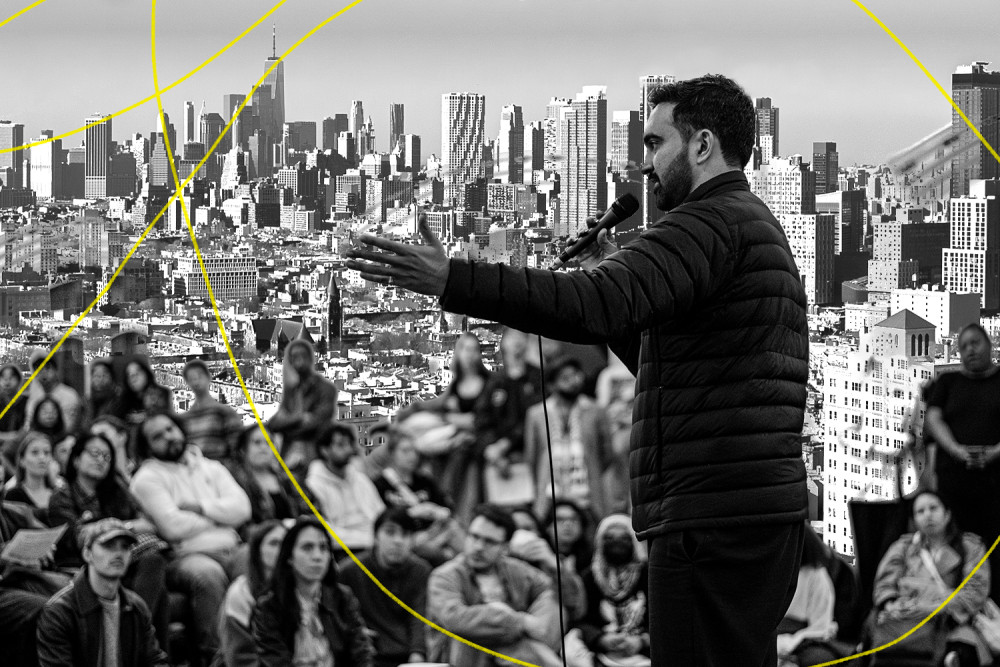
Next month, New York City will have a new mayor, and along with being the first Democratic Socialist to hold the office, he’ll be the first Muslim. Zohran Mamdani won the support of a wide swath of voters, and his electoral victory was decisive. But the spotlight on his campaign also illuminated a troubling wave of Islamophobia in our public discourse.
In 2017, the first year of the first Trump administration, 48 percent of Muslim adults said they had personally experienced discrimination from their fellow Americans—up from 43 percent just six years before, according to the Pew Research Center. Mamdani’s mayoral race was haunted by anti-Muslim rhetoric, fueled by the politics of Christian nationalism and by conservative media coverage that often perpetuates harmful stereotypes. We may have believed at one point that Islamophobia and xenophobia had quieted in the years since 9/11. But it’s clear today that the unbridled bigotry now seeding our political landscape has provided fertile ground for fear of the other to grow tall.
We can’t underestimate the media’s role in this—or the ways our consumption of media provokes our fears. Nor should we accept the normalization of harmful language that stokes further fear and division as a political strategy to scapegoat and vilify Muslims. The Center for the Study of Organized Hate analyzed rhetoric on X over the course of Mamdani’s campaign. Toward the end of the race, posts branding him a terrorist (among other smears) increased by 450 percent.