Superbloom
How Technologies of Connection Tear Us Apart
The Extinction of Experience
Being Human in a Disembodied World
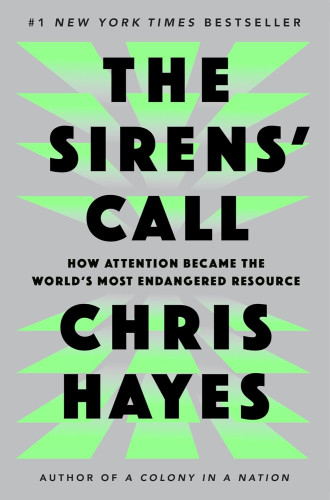
The Sirens’ Call
How Attention Became the World’s Most Endangered Resource
“What may emerge as the most important insight of the twenty-first century is that man was not designed to live at the speed of light,” writes Marshall McLuhan, a devout Roman Catholic and one of the seminal thinkers on the impact of electronic media upon culture. Writing in the 1960s and ’70s, well before the advent of social media, he lamented the church’s failure to grasp the theological significance of electronic communication. As McLuhan puts it, “electricity has made angels of us all. . . . not angels in the sense of being good or having wings, but freed from flesh, capable of instant transportation anywhere.” This “discarnate life,” as he calls it, is seductive. It poses an enormous threat to humanity, yet is overlooked by theologians. The only hope he sees is “through the transformation of mankind by the sacraments of the Church, and the development of the awareness of self through community.”
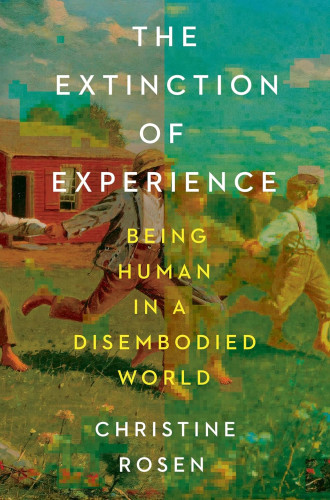
Where theologians have often feared to tread, many journalists, philosophers, and sociologists have dared to go. Three recent books join a growing body of work that laments the trend toward defaulting to technologically mediated communication over in-person interactions. These critiques share a common thread which echoes the concerns McLuhan anticipated: the waning of sense and sensibilities intrinsic to face-to-face communication. What is at stake, according to these authors, is nothing less than our humanity.
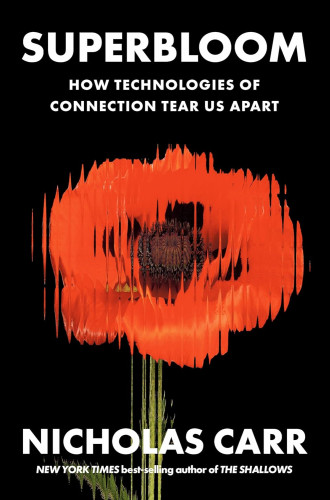
Journalist Nicholas Carr is known for his books on how the internet is withering our capacities for concentration, contemplation, and reading. The title of his latest volume, Superbloom, refers to the annual blooming of a poppy field in Walker Canyon, just south of Los Angeles. He uses this natural event as a metaphor for modern communication: