

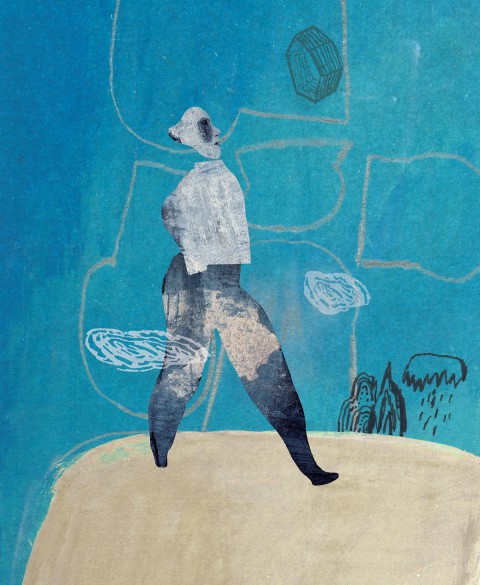
In the Korean American immigrant church of my childhood, the mountaintop was everything. Winter and summer retreats, sites of concentrated revival spirituality, represented high seasons in the church calendar, up there with Christmas and Easter. The longing for revival fueled our life together. On the mountaintop, we felt that anything was possible. Back on level ground, to stem the inevitable tide of backsliding, there were additional revival services between retreats. The truly devout frequented gidowons (literally, “prayer mountains”), a kind of retreat center where it was not unusual to hear shouts of prayer around the clock. Slipping into ordinary time was unavoidable, but not to worry: extraordinary seasons were not far off. One only needed to be diligent in prayer and watchfulness.
As I grew up, I drifted from what I perceived to be the unhealthy roller coaster of emotional Christianity. In college, I picked up Charles Finney’s Lectures on Revival at a used bookstore to better understand and, let’s be honest, to critique the methods of the Second Great Awakening. After seminary, I went to graduate school to study the aftermath of the Great Awakening, convinced that there would be much damage and dysfunction to dissect.
What I didn’t grasp about the mountaintop spirituality of my parents was their intimate familiarity with the valleys and plains of life. A paradigm-shifting lesson for me later in life came with discovering han as a lens for understanding Korean culture. According to Minjung theologian Suh Nam-dong, han is the “feeling of unresolved resentment against injustices suffered, a sense of helplessness because of the overwhelming odds against one, a feeling of acute pain in one’s guts and bowels, making the whole body writhe and squirm, and an obstinate urge to take revenge and to right the wrong—all these combined.” Put another way, han is the agglomeration of a long history of invasion and conquest, like angst but miles deeper because of its resistance to structural oppression.


