What happens when your truth becomes a lie?
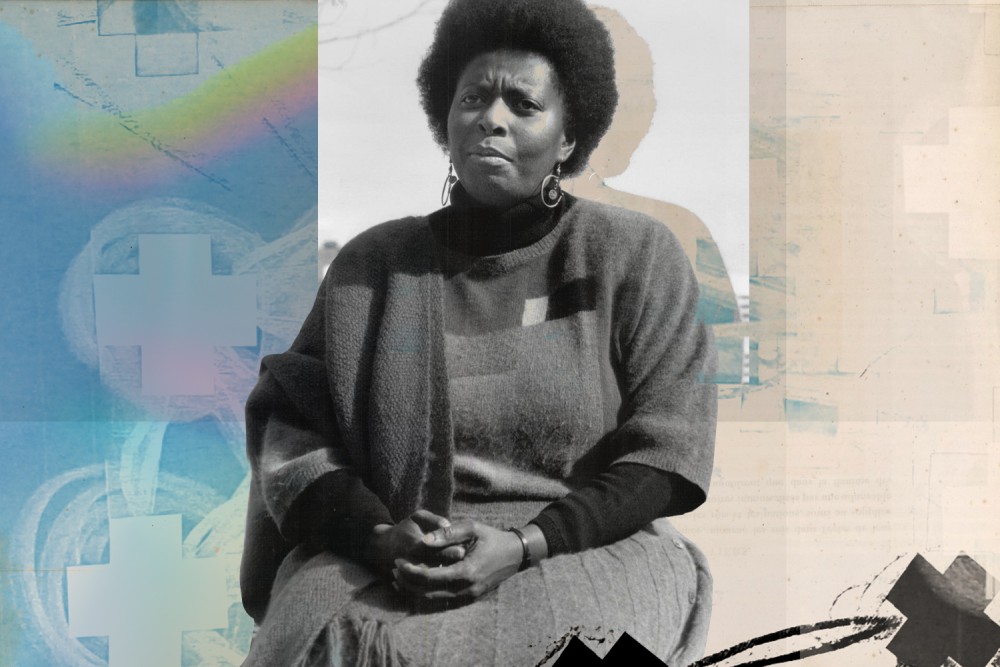
This question, explored by womanist ethicist Katie Cannon, captures the lived experience of Black women whose realities have long been disbelieved, marginalized, or erased. Cannon describes how the academy—shaped by Western patriarchal norms of knowledge—dismissed her story, and the intersecting oppressions of racism and sexism that shape Black women’s experience, as irrelevant to the pursuit of truth. For Cannon and for other womanist scholars, the truth of Black women’s experience is not superfluous to knowledge making—it is fundamental.
Today, as diversity, equity, and inclusion initiatives are summarily dismantled and the stories of those who have struggled for justice and equality are purged from our social, cultural, and educational institutions, there is a dangerous acquiescence to the condition Cannon named. Once again, the truths of Black women—along with others who have resisted the forces of racism, sexism, heterosexism, classism, and other systemic injustices—are being cast as lies. This is not simply an educational or historical issue; it reflects a theological concern and moral crisis.