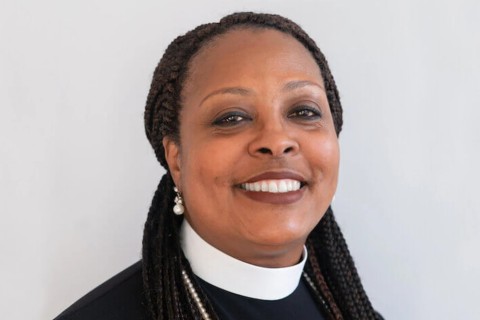
Midwestern Ethiopia
Kai Parker charts the rise of Ethiopianism, a movement that stemmed from the 1896 Battle of Adwa—and changed Chicago forever.



Does Nathan Hill wink at us in Wellness?
Why are non-White characters so absent from this urban/suburban narrative?
The strengths and limitations of Saul Alinsky’s approach
Mark Santow’s intellectual biography of the influential organizer explores how his Chicago coalitions wrestled with the challenges of race.
Memoir of a native son’s son
Keenan Norris’s sobering book explores Chicago’s role in forging the identity of the Black man in modern America.
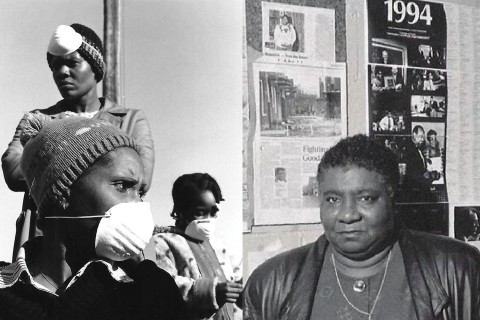
Honoring the mothers of environmental justice
Dollie Burwell and Hazel Johnson have been under-recognized in environmental studies—and relegated to mere footnotes in church history.
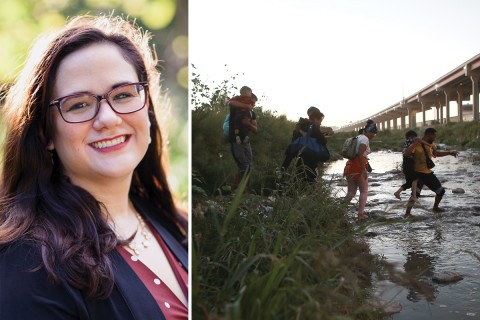
Getting organized to help migrants in Chicago
“The buses have stopped coming,” says Katarina Ramos, “but there’s still a need for services for the people who were transported here.”
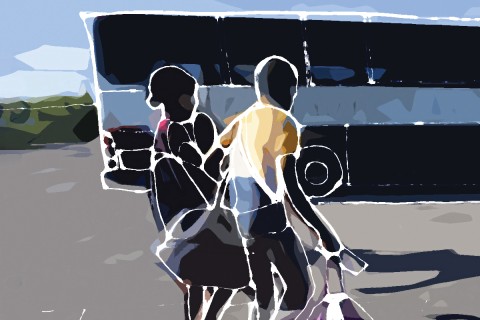
A busload of migrants were told something was waiting for them in Chicago
It was our job to be that something.
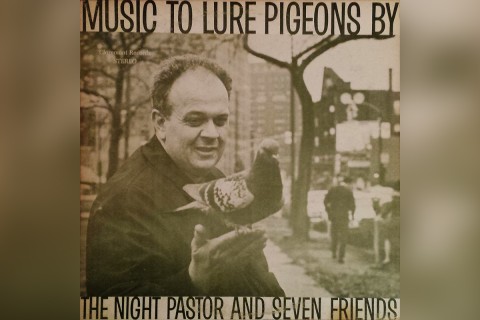
The Night Pastor
I recently came across a record by 1960s Episcopal priest and jazz musician Robert Owen.
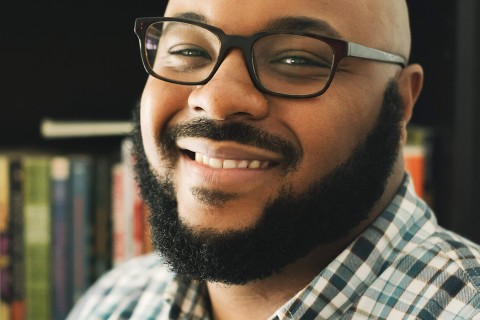
A young poet shaped by religious language
“When I was nine or ten, I decided I needed to read the King James Bible.”

According to Heath Carter, working people have been some of Christianity's most important theological innovators.
Weeks ago, the recycling carts disappeared from our alley. We live in a Chicago three-flat, and the City is supposed to provide single-stream blue carts for all residential buildings with four or fewer units. It hasn’t replaced them yet.
Larger buildings are required to provide recycling services themselves, but this doesn’t always happen, either.
Looks like Vox is off to a pretty good start. Ezra Klein & Co.'s news & politics vertical is poised to do even more than Klein's past work already has to expand serious discussion of public policy, to take it outside the bubble of people who come to the conversation with specialized knowledge.
Though if Matthew Yglesias's first post is any indication, Vox may make a different time-honored mistake of national political journalism: taking for granted that D.C. is the center of the universe, and that this universe exists entirely along the Eastern Seaboard.
When you live in the city, you end up having a lot of conversations about crime. People want to know about your neighborhood, and the conversation inevitably dances carefully around people’s beliefs about the relationship between violent crime and race. The ugly assumption no one ever quite comes out and states plainly (because they totally aren’t racist): We know the perpetrators of violent crime will be people of color. The question is, who will the victims be?
In reality, interracial violence makes up a small share of violent crime—and when it does happen, perpetrators and victims alike are pretty diverse.