


The Good Place, a prime-time sitcom full of ethical theory
The comedy series doesn’t feel didactic—despite the fact that it features actual moral philosophy lessons.

The Leftovers and the end of meaning
In three seasons, the show offered many different perspectives on how faith is made, formed, and lost.

One Day at a Time and the many ways to be Latina
The sitcom offers a complex and funny look at ethnicity, gender, and faith.

Rectify is unlike any series I've watched. Its slow burn reveals the viewer as well as the characters in the story.

Gortimer Gibbon's Life on Normal Street uses a combination of magic and realism that depicts real life far better than any other family television show I've seen.

Scandal and New Girl are not ordinarily “about” race. But as national conversations on police violence intensify, they’ve stepped into the discussion.

I have always watched TV in community. In many ways these communities of shared stories have shaped the stories I tell about my life.

Cohle and Hart are magnetic and unforgettable. But True Detective's existential heft never exceeds the palaver of a 101 class.

In The Walking Dead, there's a crucifix at a Baptist church. Why don't producers check such details with somebody who is actually religious?
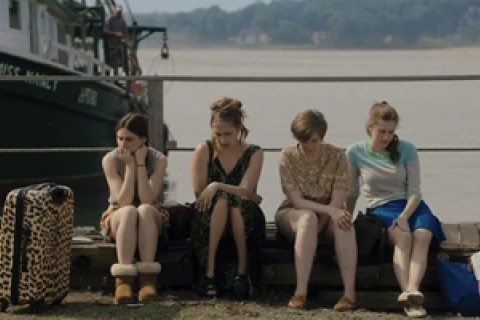
Girls gets attention as a boundary-breaking comedy focused explicitly on gender. But Hannah and friends are not navigating adult life well.

I don't like family sitcoms, so I long avoided Modern Family. But the show catches the way family can be both loathsome and life-giving.

The TV series Homeland raises some grave real-world questions.

It's the golden era of TV, and many shows explore moral and psychological issues with great nuance. Why not take religion as seriously?

Our culture tells young adults to resist adulthood with all their might. New Girl portrays characters who want something more.

It seems like all anyone wants to talk about is power. And the best show on television about power is Game of Thrones.
My mother read to us a lot when we were little. Most of us were girls. And she liked classic stuff, so I grew up with a strong working knowledge of Little House and Little Women. (I don't think we ever read Little Men, but let's be honest, who did? Also: It's still about Jo!)
But the house favorite was definitely Anne of Green Gables.
First of all, yes, if you're a linguistic traditionalist then the show should really be called The Rev., not Rev.
Second of all, it's disappointing that by the second episode, the British scripted series is relying heavily on the old binary of a small, old-fashioned, declining, liberal congregation vs. a large, hip, casual, thriving, conservative one. (The latter's hip-hop music leader goes by the name Ikon! Cute, but haven't the showrunners heard of Peter Rollins?)
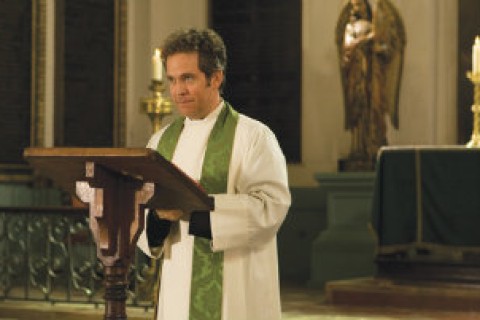
Okay, now I can say it: Rev.'s on Hulu! You should watch it!
