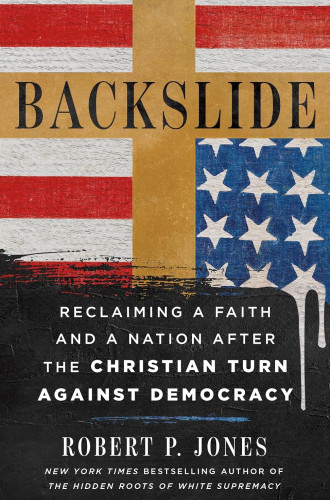
Backslide
Reclaiming a Faith and a Nation After the Christian Turn Against Democracy
Woke has become a contested term in our culture. Originally coined to signal an awareness of racial injustice, it now either affirms people who are enlightened about a broader set of social inequalities or pejoratively applies to those deemed overly sensitive to such things. Biblically, Jesus seems to encourage such waking up. He teaches in parables that contrast the ways of the world with the kingdom of God, so that those with the eyes to see might recognize what’s going on (Matt. 13:16). Theologically, traditional understandings of repentance emphasize an awareness of wrongdoing and a commitment to charting a different course in the future.
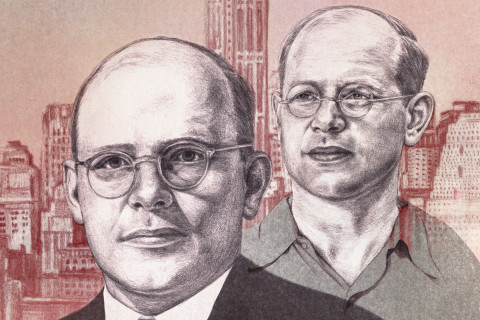
Those reading the latest book from Robby Jones will find a plea for American Christians and American citizens to wake up to the moral evil and corruption happening all around us. Jones believes that the threat we face is severe, time is of the essence, and the consequences of failing to name and respond to it are devastating. He pulls no punches about the existential menace posed by the antidemocratic forces and perversion of basic Christian teachings that Donald Trump and his MAGA movement embody. He believes the United States today is in a comparable situation to Germany as Hitler and the Nazi Party seized power. Backslide is meant to alarm us so that we will “be explicit about the dangers of our current moment. We have no alibis. This is our 1933.”
The litany of social evils Jones names and explains will be familiar to most. The new ground broken here is the way Jones draws on his expertise in analyzing how religion and public life intersect in the United States, with his own personal story shedding light on the ways generations of Americans Christians have been complicit in sins they would claim to find abhorrent. For example, he describes being “a deadly shot with a rubber band,” a skill that was developed through countless childhood games of “cowboys and Indians,” which reinforced problematic stereotypes of White settlers and Indigenous peoples. Those same prejudices justified ideas like manifest destiny and the doctrine of discovery. They legitimized the forced relocation of Native Americans and genocidal violence against them. Throughout this tragic history, White Christians often led the way.