Tracking every Trump administration pronouncement on religion can be a dizzying project. Religion has found its way into multiple executive orders, new commissions and task forces, Truth Social posts, and White House press briefings. All of this is making 2025 an eventful year for religion news. To help make sense of some trending developments, I share the following impressions.
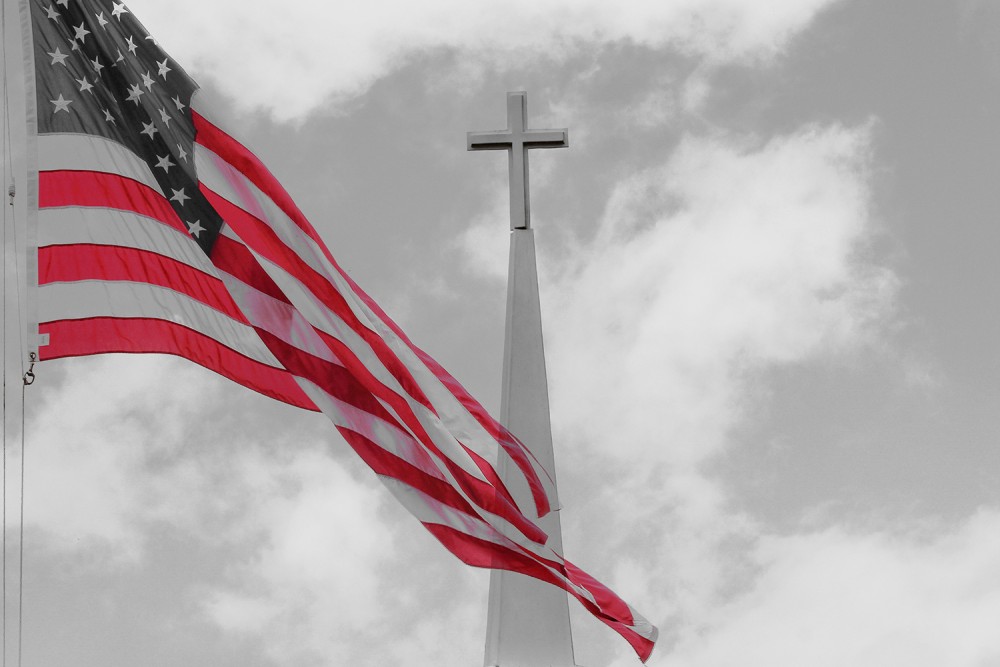
Issues surrounding religious freedom continue to dominate the spotlight, thanks to Christian conservatives eager to make a particular brand of Christianity the default for American religion and keen on creating closer ties between religion and government. Exactly what religious freedom means and how it should be applied depends on who you ask. Does it stand at the heart of American democracy as a fundamental constitutional right, applied indiscriminately and dedicated to inclusive pluralism? Or is it code language for intolerance, Christian supremacy, and whatever beliefs those in power happen to sanction? What’s clear is that the ground has shifted considerably from 1993, when a nearly unanimous Congress voted the Religious Freedom Restoration Act into law.
Today, the loudest voices for religious liberty highlight conservative priorities that privilege the country’s Christian majority in what Rabbi Jeffrey Salkin calls an “aggressively Christian soundtrack.” As just one example, the fact sheet accompanying the Trump administration’s announcement of the new Religious Liberty Commission vows to promote “peaceful religious pluralism,” but the only religion it makes direct reference to is Christianity.