In Review
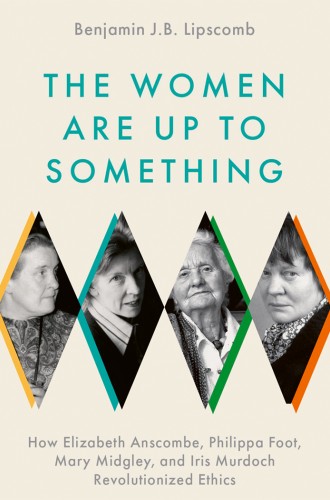
The Women Are Up to Something
How Elizabeth Anscombe, Philippa Foot, Mary Midgley, and Iris Murdoch Revolutionized Ethics
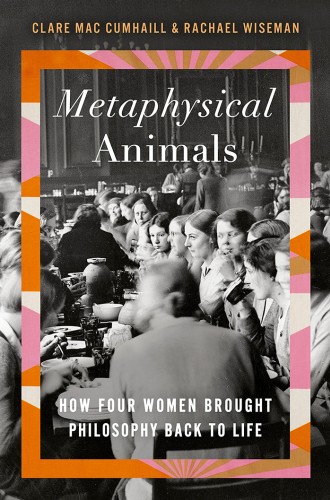
Metaphysical Animals
How Four Women Brought Philosophy Back to Life
Tracing the transformation of moral philosophy through the friendships of four utterly unique women who gathered around Oxford in the mid-20th century requires getting those four people into a room together at least once, right? As I was reading the exceptional and unusual accounts of these friendships in two recent books, I kept waiting for a moment when I might see Philippa Foot, Elizabeth Anscombe, Iris Murdoch, and Mary Midgley all gathered together. I read all the way through Benjamin Lipscomb’s version and most of the way through Clare Mac Cumhaill and Rachael Wiseman’s version until I finally encountered such a scene.
It was 1947. All four women had been philosophy students together at Oxford during World War II, but they’d scattered since then. Their individual friendships had been strained by love and war and competition for the same few prizes available to women. Now Foot was a lecturer at Oxford, and she was the most financially and occupationally stable of the four. She lived at 16 Park Town with her husband, Michael Foot, a former lover of Murdoch’s. Anscombe was a research fellow at Oxford. Murdoch had a fellowship at Cambridge, and she came to Oxford frequently, sometimes bringing Anscombe’s children with her or bringing them back to Cambridge to Anscombe’s husband.
Midgley had just returned to Oxford to start a thesis on Plotinus. The four of them, Midgley remembered decades later, sat in Foot’s front room several times over that interval of their lives and did their “collective best to answer the orthodoxies of the day, which we all saw as disastrous.”