


As a child, I liked to survey strangers about what it means to be human. Brandon Stanton has created a fully realized version of what I was doing.
It's a humanitarian crisis that has riveted the international community: refugees from Syria, Afghanistan, Libya, and elsewhere seeking asylum from civil war and violence. Images of the small, drowned body of Aylan Kurdi ignited our consciences and challenged world leaders to begin addressing the needs of these refugees.
The surge of unaccompanied minors into countries like Sweden mirrors the marked increase of Central American children entering the United States in 2014, fleeing violence at home.
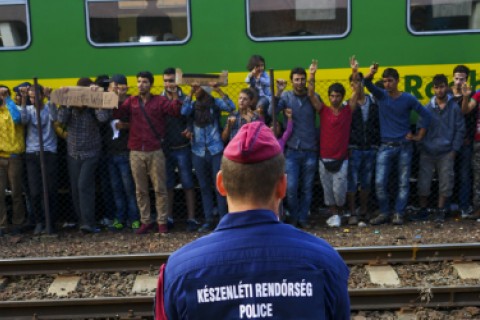
The wrenching dislocations of World War II were often pitilessly ignored by the world. What story will be told of our time, and of us?
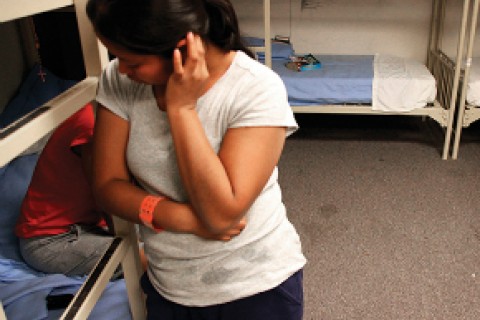
Last year, the U.S. took thousands of "family units" into custody at the southern border. Nearly every woman cites violence as the reason she fled.
Early last summer, the Obama administration opened a detention center in the remote town of Artesia, New Mexico, in order to detain Central American women who cross the southern border with their children. The facility was a centerpiece of the administration’s policy of family detention, which aims to “send a message,” as Department of Homeland Security secretary Jeh Johnson said, that asylum seekers from these countries are not welcome.
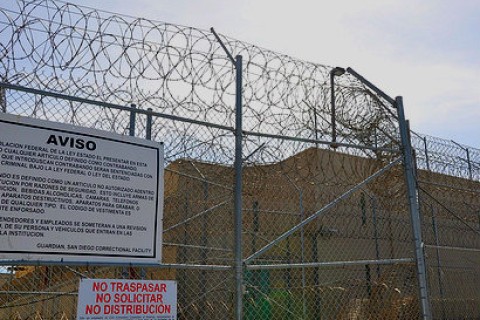
Obama's budget includes more money to detain undocumented children. At the largest family detention center, the average child is age six.
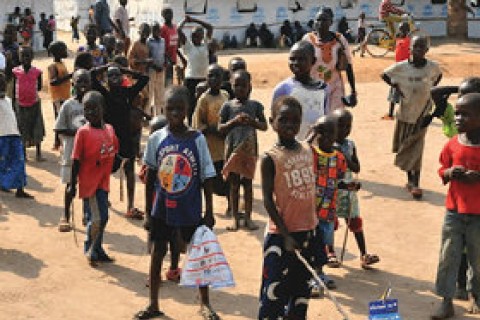
Uganda hosts one refugee for every 160 residents. That’s more than seven times the burden the U.S. bears.
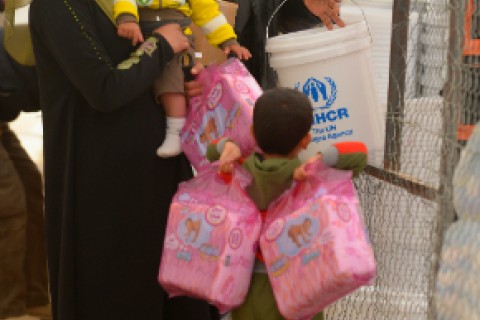
As many as 13.6 million people have been displaced by the conflicts in Iraq and Syria. What can American Christians do?
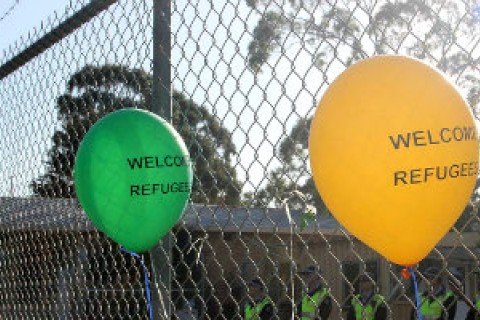
Instead of seeking the ability to deport Central American children faster, Obama should treat this situation as the refugee crisis it is.
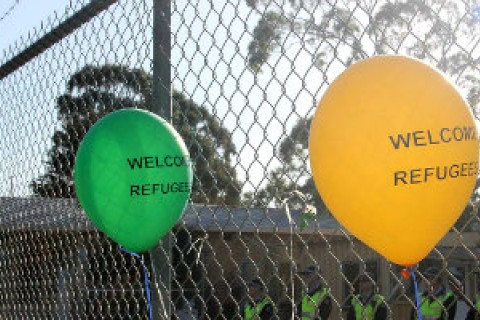
Taking in refugees, giving asylum—these are things that generous people from a better place do for helpless people from a worse place. But we aren’t actually better.
In the fall of 2006, when Lake Avenue Baptist Church in Rochester, New York, began welcoming refugees from Burma, we had no idea what we were getting into. In the spring of 2007 there were 30 refugees from Burma in Rochester; by 2007 there were 200, and by now there are almost 400, with many more expected. Rochester is a microcosm of what is happening quietly across this continent and in many other nations.