In Simon Blackburn's inquiry into how to get our love of self into balance, self-esteem and shame appear alongside traits such as integrity and sincerity.
Nicholas Healy's central methodological criticism of Stanley Hauerwas is that he "is concerned with the logic of coming to believe and the logic of Christian living rather more than the logic of belief."
Owuor's novel wrestles with Kenya's bitter remnants of colonialism. Yet it suggests that the future can be shaped by people who are willing to incorporate the past with honesty and integrity.
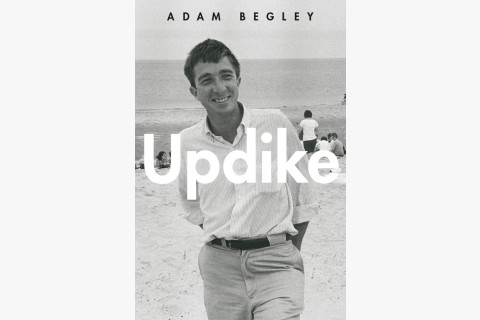
Updike's religious explorations are what make his writing so interesting, and Adam Begley explores them well. But he devotes too much space to trying to link fictional settings and characters with Updike's real life.
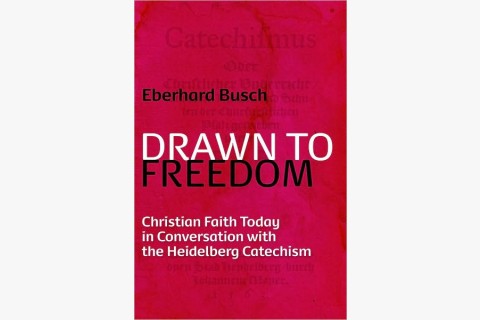
In this long, freewheeling conversation with the Heidelberg Catechism, Eberhard Busch sometimes uses the document for leverage against distortions in the contemporary church, and sometimes challenges its assumptions.
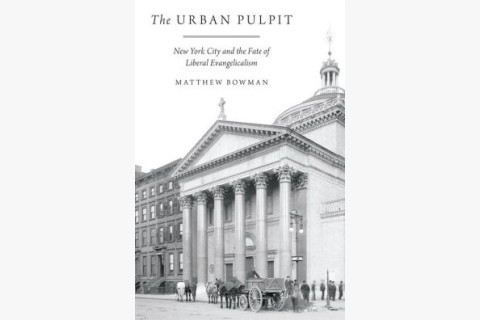
Matthew Bowman invites readers to rediscover the once-powerful promise of liberal evangelicalism, which he sees a pastoral middle way between the secular city and fundamentalism.