

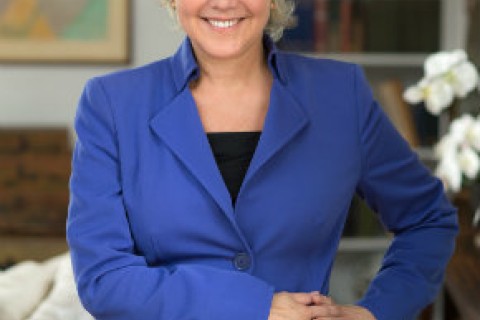
Matt talks to the Union Theological Seminary president about the church and Trump, "unending" sermon endings, and her book Trauma and Grace.
This week, the National Review published a statement to Catholics opposing Donald Trump’s campaign for president. Authored by right-wing eminences George Weigel and Robert George, and cosigned by an impressive list of Catholic intellectuals and leaders, the document joins a body of anti-Trump literature that is coming into its own stentorian rhetorical conventions.
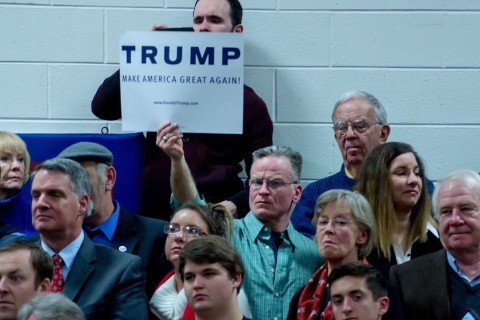
Something subtle and remarkable has happened in American politics—and, it seems, in democracies across the developed world. The big arguments over what the state owes the people, in terms of services and public welfare, have been somewhat eclipsed. Now the focus is on who counts as people in the first place.
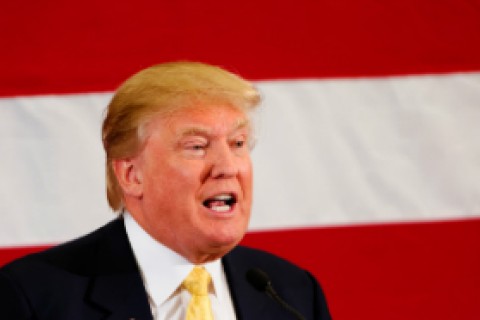
Any attempt to counter Donald Trump's appeal needs to address the fundamental economic realities behind that appeal.
Donald Trump’s proposal to screen all Muslims in the U.S. has drawn considerable backlash from liberals and conservatives alike. Journalists, bloggers, politicians, and religious leaders have condemned Trump’s plan and argued that it is inconsistent with core American values such as equality and religious freedom. They argue, rightly, that Trump’s comments are definitive proof that he shouldn’t be president. Really, he shouldn’t be anywhere near the presidency. He shouldn’t even be allowed to watch The West Wing.
This criticism is justified and necessary, but it is unlikely to be heard by those most drawn to Trump’s rhetoric.
So far, this presidential campaign season has been dominated by the narrative of the steadfast outsider. A July poll found that more than three-quarters of Donald Trump’s supporters like him because he stands up to the media and isn’t interested in political correctness. Meanwhile, Bernie Sanders, a secular Jew and registered Independent, is energizing the Democratic base—not by minimizing his European-style socialism, but by shooting straight. “He’s so authentic, he’s hip,” wrote Steve Winkler in the Guardian.
Then there’s Joe Biden, who hasn’t said yet if he’ll run.

It is intriguing that the Republican presidential candidate who's leading the polls and the Democratic candidate who's close to tying the front-runner are both outliers.
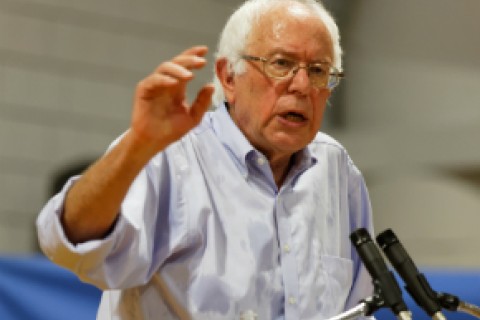
At a moment when the spotlight shines on those who say the most outrageous things, it's worth noting Bernie Sanders's approach at Liberty.