

The satisfaction theory of the atonement centers on debt, humanity’s debt to God. It’s often criticized for its gruesome picture of God. But it also paints a weird picture of Jesus: Christ the Debt Buyer.
Molly Phinney Baskette's book is not a robust example of the Christian practice of confession. But she does offer a glimpse into the life of a church that is thriving against the odds.
Fleming Rutledge's magnum opus is many things: a look at the ways the death of Christ has been interpreted, an argument that the how of his death matters, and a protest against Christianity-light.
In Romans 7, sin seems to have at least as much agency as Paul does.
In my younger, decidedly anti-Christian days, I did not like the way Christians asked God for mercy. It reinforced my idea that “the Christian God” was cruel and punishing. After all, if God was a loving and compassionate God, one would not have to beg for mercy. And if God was cruel and punishing but at the same time righteous and just, then human beings were clearly bad and unworthy.
This whole system of thought—shameful people and cruel God—made me want to stay far, far away from Christianity and Christian churches.

To say "earth to earth" is a good thing, we have to believe it's really going to happen.
In the wake of the grand jury’s failure to indict Officer Darren Wilson for the death of unarmed teenager Michael Brown—and in light of conflicting eyewitness accounts of the incident—many have argued that video evidence would have helped a lot. Body-mounted cameras offer a technological solution to what is otherwise a problem of human moral complexity: eyewitnesses can’t agree; officers can’t behave; human evidence can’t be trusted. Technology, the argument suggests, can supersede all of this.
And then, of course, a grand jury in New York City failed to indict Officer Daniel Pantaleo in the death of another unarmed black man, Eric Garner.

The priest asked the thief why he would return a ruined tire. He said, with surprise, Because it wasn't mine, Father. Are you paying attention?
In the wake of the shootings in Las Vegas—in which bystander Joseph Robert Wilcox tried to take a shooter out and instead was himself shot and killed—Adam Weinstein offers a very thoughtful take on the notion of being a "good guy with a gun." A veteran and a gun owner, Weinstein describes himself as "one of those wannabe heroes"—but also details his growing doubts.
Late last week, President Obama ordered a review of the specifics as to how the death penalty is administered at the state level. This came in response to the sad episode in which Clayton Lockett, convicted for the horrific murder of Stephanie Neiman, died of an apparent heart attack shortly after a botched lethal injection.
The administration’s step is a good one, but it’s hardly bold or brave.
I've been enjoying CCblogger Rachel Hackenberg's Lenten sermon series posts. She offers several, separate ideas: on the question "Who do you say that I am?" (following the Narrative Lectionary's readings from John), on prayer practices, on "Lift High the Cross," on the paintings of Anneke Kaai.
But my favorite is Hackenberg's series on the Revised Common Lectionary's Old Testament readings.

In the Bible, forgiveness involves repayment of what is owed. One way to pay down the debt is through charity to the poor.
Luminaries praise Paula Fredriksen's Sin as gripping and magnificent. Her book on Augustine was both of these things. This one isn't.
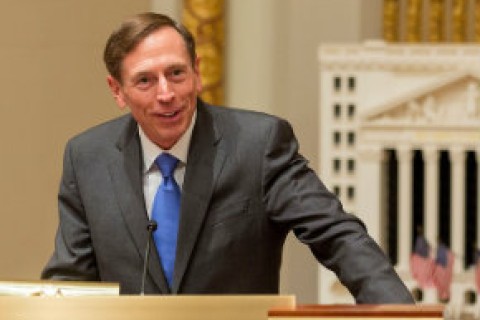
David Petraeus's failings aren't the same as his biblical namesake's. No one went to die so he could bed Paula Broadwell. Still, we expected more.


Salvation requires repentance. But of what do the righteous repent?
If the watchman doesn't "sound the trumpet" and dissuade the wicked from their ways, the Lord promises to hold the watchman accountable.