

An ode to Daniel Berrigan
Bill Wylie-Kellerman’s patchwork of poetry, prophecy, and prose reads like a modern Gospel.
Horror and hope in the face of climate change
Jim Antal calls for a green reformation among churches.
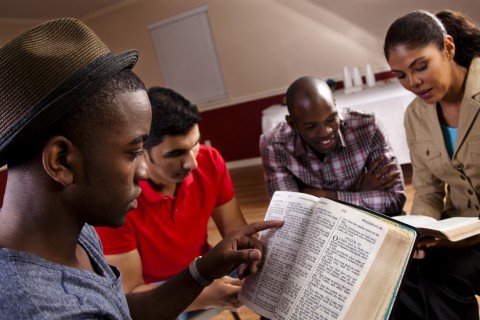
It’s time to rethink our assumptions about where theological education happens
Until 1565, the local church was also the seminary.
Discipleship through covenant friendship
Sarah Arthur and Erin Wasinger write about their experiment in radical faith, one small step at a time.
Kierkegaard and his gifts for the church
Stephen Backhouse’s accessible biography reveals a man who worked hard to conceal himself.
United Church of Christ pastor and blogger Emily Heath is a self-described binary-smashing, trinitarian, gender-nonconforming Reformed theologian.
No white person ever wants to think of themselves as racist. And that is precisely part of the problem, no white person ever thinks of themselves as racist. Each white person is the innocent exception to the rule, even when confronted with the realities that our society is thoroughly racialized.
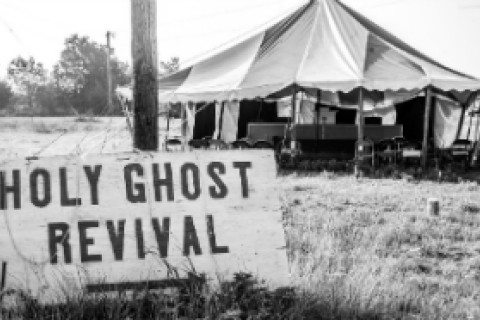
I can still smell the wet canvas and sawdust of my father's revivals. He believed that any self-respecting revival was held in a tent.
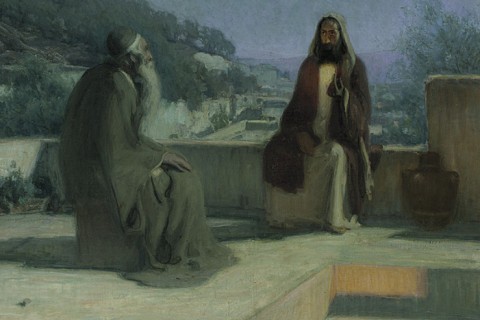
It's no surprise that Nicodemus goes home befuddled. If discipleship doesn't come with some confusion, it probably isn't Jesus you're following.

When Jeff Richards paints a picture of church in downtown Sacramento, the church doesn't tower over the other buildings. It inhabits them.
Kevin Vanhoozer demonstrates that Christian thought is a more engaging, embodied affair than much that passes for thinking these days.
Academics may find no theological breakthrough in Brian McLaren's latest book, but the ones who care about church life may still do a double take.
We need the spiritual agility to recognize counter-hegemonic "citizenship in heaven" whenever and however it becomes flesh.

Leadership is big these days. And I've become suspicious of our emphasis on what looks more and more like leadership for leadership's sake.

"Progressive Christians do a good job with issues like LGBT rights," says Dennis Sanders of First Christian Church (Disciples of Christ) in Minneapolis. "But we're less good at helping people become disciples of Jesus."
Recently, a friend and I were talking about how disturbed and saddened we’ve been by the hateful and decidedly unchristian words spoken by self-proclaimed Christian leaders in recent years. The examples are too numerous to cite, and each has its own agenda of hatred and division. I complained that it was so deeply unfair that such intolerant and offensive perspectives were being allowed to speak for me and all other Christians.
My friend offered a profound and simple response: “Chris, they only speak for you if you don’t speak for yourself.”

"Jesus calls us to make disciples, not just converts," says Todd Friesen of Lombard Mennonite Church in Illinois. "I believe that discipleship begins in communal worship."

Seekers often want Christianity to be a set of ideas one knows to be true, or at least to provide a feeling of certainty.