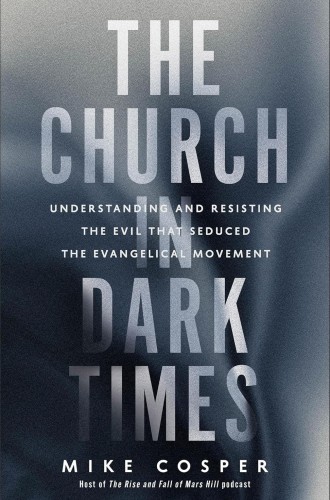
The Church in Dark Times
Understanding and Resisting the Evil That Seduced the Evangelical Movement
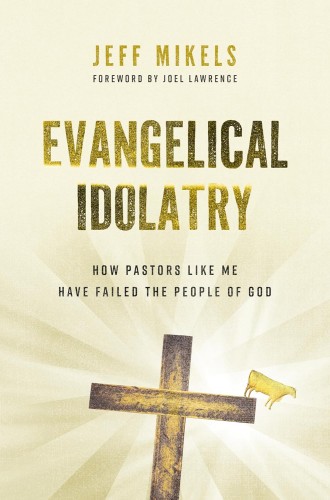
Evangelical Idolatry
How Pastors Like Me Have Failed the People of God
From where does the best criticism come? I sometimes wonder about this when it comes to religious movements. For course corrections in an otherwise healthy congregation or denomination, the best critics may well be those who are still inside the machine. They have direct knowledge of the system’s problems and a strong sense of which potential changes are feasible. In my experience, however, critique from within falls flat when the problems are so insidious or harmful that something more than a course correction is called for. In these cases, a person’s continued embrace of the movement, however harsh their censures, usually betrays an inability to see the true extent of the rot.
With this principle in mind, I picked up two recent books by evangelicals critiquing evangelicalism: Mike Cosper’s The Church in Dark Times and Jeff Mikels’s Evangelical Idolatry.
Cosper’s book is based on a really cool idea. He looks to 20th-century political theorist Hannah Arendt as a guide to understanding both the evil of Nazi Germany and that of White US evangelicalism. He sagely reflects on many of Arendt’s insights and applies them to flaws in his own faith tradition. The second half of the book shifts its focus from understanding evil to resisting it, highlighting the late Eugene Peterson as an exemplar of non-evil evangelical pastoral ministry.