In a conference room in Washington, D.C., a dozen epidemiologists huddle over a computer monitor. On the screen, a map of self-reported data from test labs around the world shows a lethal strain of avian influenza originating in Asia.

In a conference room in Washington, D.C., a dozen epidemiologists huddle over a computer monitor. On the screen, a map of self-reported data from test labs around the world shows a lethal strain of avian influenza originating in Asia.
President Trump’s job approval ratings among some faith groups jumped in March as the number of coronavirus infections began to spread across the country.
But that “Trump bump” has all but disappeared.
A new poll released on April 30 from the Public Religion Research Institute shows Trump’s approval has fallen on average by 6 percentage points and is now more in keeping with 2019 levels among most demographic groups.
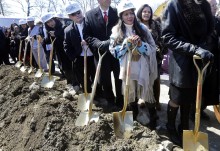
While most people in the United States have been focusing on the COVID-19 pandemic, a decision to revoke the reservation status of a Native American tribe’s more than 300 acres in Massachusetts has gone relatively unnoticed, according to the Native American International Caucus of the United Methodist Church.
In a recent statement, NAIC leaders raised concerns about the secretary of the interior’s 2018 decision to disestablish tribal lands of the Mashpee Wampanoag Tribe, located on Cape Cod.
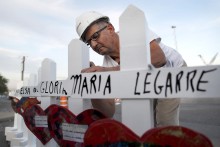
Few knew him by name, but many saw his signature handiwork on the side of the road or in media images from scenes of tragedy—squat, white wooden crosses with the names of gun victims scrawled in black ink.
Greg Zanis estimated he made more than 26,000 such memorials, iconic testaments to the nation’s mass shootings.
Zanis died May 4 of bladder cancer, said his daughter, Susie Zanis, whose GoFundMe account, initially set up to support his work and his medical expenses, is now being devoted to his funeral. He was 69.
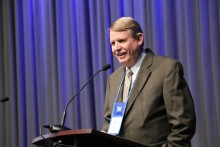
Gregg Mast, a renowned Reformed Church in America pastor and educator, died April 27 from complications related to COVID-19. He was 68.
Early in his career, Mast spent a year as an assistant pastor at a Dutch Reformed Church in South Africa—at the height of apartheid. The experience stuck with him.
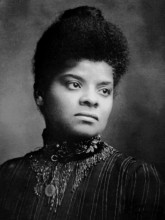
On May 4, journalist Ida B. Wells-Barnett was awarded a posthumous Pulitzer Prize for her investigative reporting on lynching that began in the early 1890s. In recognition of the honor, the Pulitzer Prize board will award $50,000—recipients yet to be announced—in support of her mission of antiracism.
The ongoing COVID-19 pandemic is taking a toll on Christian publishing companies. The publishing arms of the nation’s two largest Protestant denominations—the Southern Baptist Convention and the United Methodist Church—both announced staff cuts at the end of April as a result of the virus.
The United Methodist Publishing House will lay off about 70 of its 296 employees in June. The Southern Baptist Convention’s LifeWay Christian Resources started reducing staff on May 1, in addition to implementing hiring and salary freezes and cutbacks.
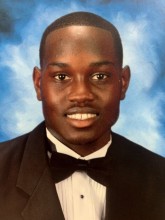
Following the release of a video months after the shooting of Ahmaud Arbery, a black jogger in Georgia, religious leaders have raised their voices to ask questions about how and why he died.
On May 7, the Georgia Bureau of Investigation announced it had charged two white men, Gregory McMichael, 64, and his son, Travis McMichael, 34, with murder and aggravated assault in the case, more than two months after Arbery’s death in Brunswick.
As the coronavirus pandemic takes a disproportionately deadly toll on seniors and African Americans, a new oral history initiative aims to train black Muslim youth to document their elderly community members’ stories.
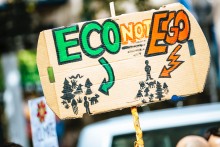
For years, the majority of US Protestant pastors surveyed about global warming questioned whether it was real and whether it was caused by humans.
But a new LifeWay Research survey shows that, for the first time since the company started asking, a majority of pastors (53 percent) agree with the statement “I believe global warming is real and man-made.” About a third—34 percent—strongly agree.
Sentiments of denial remain, with 38 percent disagreeing, including almost a quarter who disagree strongly. Another 10 percent say they are not sure.