

Looking out the window in wartime
We still have power: We can choose whether to give violence the last word.

The war with Iran is the crowning stupidity of our stupid age
No work of art better unveils war’s essential stupidity than Tolstoy’s War and Peace.

The great and terrible meaning of war
War is symbolic of humanity’s failure to live in the peaceable kingdom. Yet where there are humans there will always be a search for meaning.

The president’s brokenness
The war in Iran underscores what was already evident: Trump goes on instinct, and his instinct is to dominate others.
What is poetry in the face of war?
Mosab Abu Toha’s poems are about Gaza. Reading them I saw all people who suffer.
Finding ourselves in a Nigerian war novel
Chigozie Obioma offers a narrative that transcends bullets and politics.
A refugee’s fragmented memory
Viet Thanh Nguyen’s fractured and stirring memoir is haunted by war—and religion.
A war correspondent’s view of conflict in the US
Luke Mogelson turns his keen powers of observation on the worsening polarization in this country.
Joy Harjo gives words to the poet warriors who were her ancestors
The Indigenous writer’s new memoir understands memory as counsel and ritual as the potency of love.
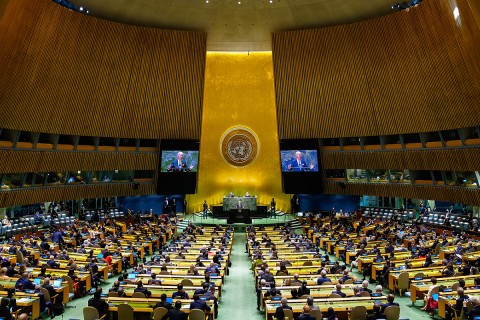
The UN Security Council couldn’t stop Russia’s war against Ukraine
The need to reimagine its structure has never been greater.
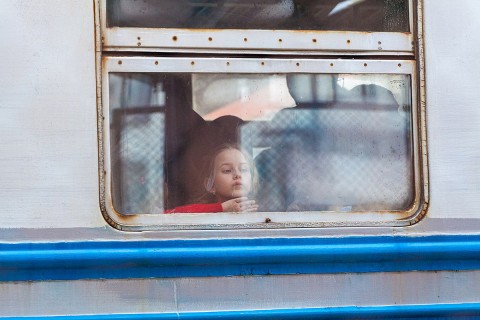
Ukraine’s sleepless children
A failed high school science experiment increased my empathy for those who can’t sleep.
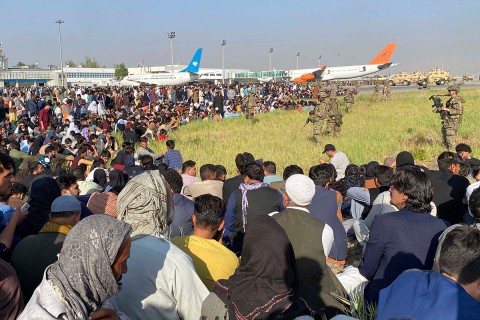
The first question about the war in Afghanistan is why we were even there
There was never a good way to leave—or stay.

What the US has wrought in Yemen
Biden’s announcement of the end of American involvement is refreshingly clear and straightforward—assuming it pans out.


