


Afro-pessimism and Christian hope
Reading Saidiya Hartman alongside Vincent Lloyd has helped me get through the night.
Is slavery integral to Augustine’s theology?
Toni Alimi and Matthew Elia each make the case that it is. Their books demand a reckoning.
Did enslaved people write the New Testament?
Candida Moss argues that when early Christian texts were written, unpaid laborers were in the room where it happened.
Reading into the gaps
“Because certain scribal puns appear only in Galatians,” says Candida Moss, “we have to consider that they come from the secretary rather than Paul.”
Written by the oppressor, sung by the oppressed
James Walvin traces a beloved American hymn on its winding journey across racial divisions through the centuries.

Self-evident truths?
What may have been obvious to Thomas Jefferson was probably not obvious to those he enslaved.
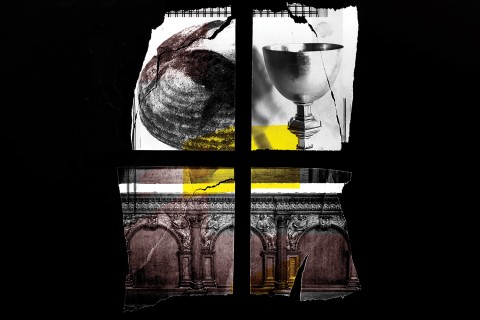
Discerning the body
Bodies get sick. What becomes of a church body when we enact unity at the table while ignoring our brokenness?
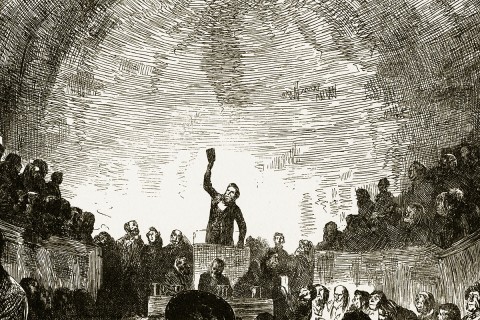
The old “distraction” slur against advocates for justice
This line of attack goes back to the White Christian opponents of the 19th-century abolition movement.
Dethroning the canonical Paul
Cavan Concannon believes that the apostle’s writings belong in the latrine.
Lisa Sharon Harper’s memoir of the legacy of slavery
Fortune gives a wrenching account of intergenerational trauma and its costs.
Freeing Philemon from the “fugitive slave” theory
Stephen Young lets Paul’s letter speak for itself.
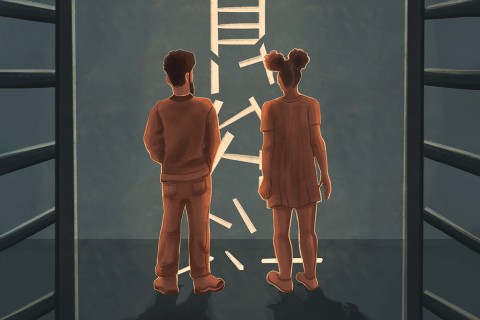
The book of Exodus includes a story about reparations for slavery
White Americans aren’t the Israelites; we’re the Egyptians. Maybe we should follow their lead.
Take & Read: American religious history
Five new books about myths and narratives that shape religion in the United States
Georgetown was built on the backs of enslaved people
Reparations for their descendants are a necessary, imperfect beginning.
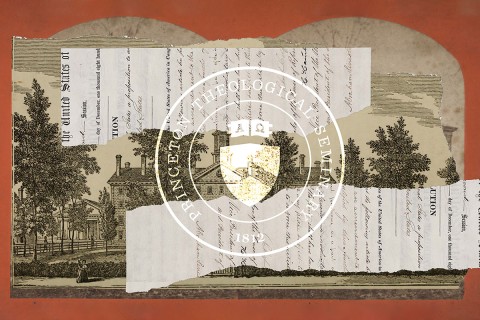
How Princeton Seminary’s slavery audit created moments of unlikely intimacy
We need structural change. We also need to be willing to be personally undone.
Robert P. Jones says it’s past time to reckon with Christianity’s role in White supremacy
White Too Long envisions the hope that could follow recognition and repentance.
Seeing Black people in scripture
Esau McCaulley’s book reclaims what the Black church has always known.

The Baptist War didn’t just end slavery in Jamaica
It utterly reshaped the country’s religious landscape.

In the black Atlantic region, religious identity is formed by routes rather than roots
Faith shaped by migration, diaspora, and slavery