The unfaithful shepherd sniffs out and stirs up fear, fragmenting communities.


The unfaithful shepherd sniffs out and stirs up fear, fragmenting communities.
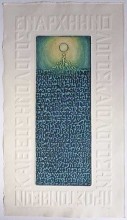
Books, printed pages, lines of calligraphy, and single letters are raw materials for Massachusetts artist Sandra Bowden. Her fascination with the visual aspects of language comes out of her experience as an artist growing up in a conservative Protestant faith community where words took primacy over images and was deepened by her study of biblical Hebrew and the Dead Sea Scrolls. This collagraph print, created from a plate with textured materials on the surface, includes passages from two foundational Hebrew and Christian “in the beginning” narratives about the origins of the universe.
This Reformation Day, I'm preaching the Gospel text from the lectionary.

The poetry of Genesis 1 invites us into a sort of palliative care for the earth.
Those who say there is no resurrection have a question for Jesus about resurrection.
We can sense the deceit in the moment, a trap meant to pit the radical teacher against his own tradition. But the deceit gives way to a flurry of realities, the loudest being the commonality of tradition: Jesus’ questioners start from the same place he does. Both the teacher and his skeptical hearers revere the tradition, lauding the writings of Moses as sacred text.
Recent books that are shaping discussions in New Testament studies
People on the ground. Weary, dirty, curious flesh—provocatively close. This is the context for the Sermon on the Plain.
The 12 disciples swell into many, and they hear about their past, present, and future. Jesus references their ancestors; he draws content from their current circumstances. And the question of who and where they will come to be bears weight in the sermonic veracity of this moment.
How early Christians thought about bodies and how we do