Monsters and their beautiful work
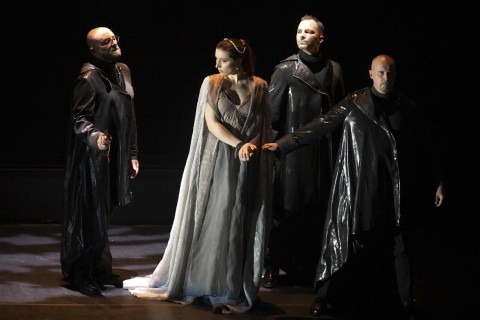
Claire Dederer thinks through what it means to consume art produced by people who have said or done terrible things.
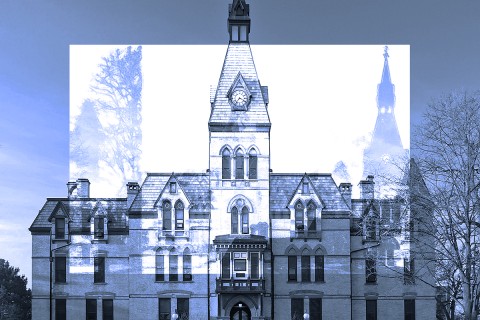
What went wrong at Hamline?
The administration’s reaction to a classroom conflict reveals a deeper problem in higher ed.
Creation and new creation
A collection of essays invites artists and
theologians into conversation.
Maggie Nelson finds freedom in the emphatic middle
Her new essay collection examines how Americans thread the needle between care and constraint.
The artist at the end of the world
Scott Russell Sanders’s essays balance ecological despair with the promise of human creativity.
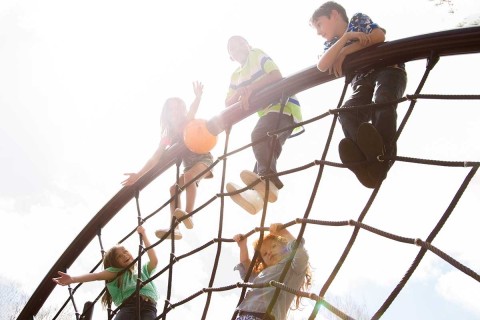
A playground bully, her victim, and their God
An incident in Germany reminded me who we all belong to.
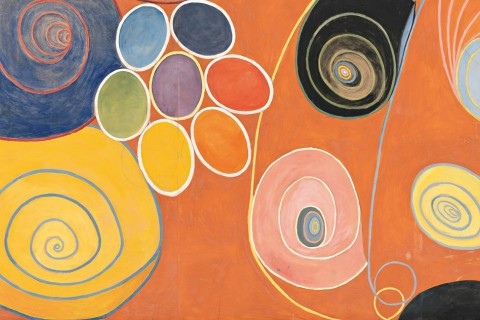
Hilma af Klint’s new ways of seeing
Years before Kandinsky, a Swedish woman created magnificent abstract paintings.
Bridging the gulf between conservative Christian colleges and the arts
Does immersion in secular music and literature strengthen faith? Does it destroy it?
What doing improv taught me about scarcity and choice
We went on with four performers instead of 10. It was invigorating.
Da Vinci was many things, but not a productivity guru
Walter Isaacson offers a clear and enjoyable biography. He also offers life hacks from Leonardo.
Engaging the mystics
While women have historically been bound by family obligations, household chores, or desperate poverty, there have been monasteries throughout history that allowed some to focus on their vocation without those typical pressures.