Selected posts from around our network of affiliated bloggers
I knew we were meant to have daughters. Then God gave us a boy, and another, and another.
Nobody sits around wondering what their life's besetting sin is going to be. Maybe we should.
After our time in the pediatric cardiac ICU, we brought home a healthy baby. Others made funeral plans.
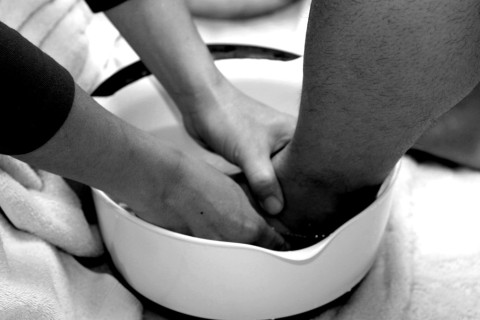
The ritual washing of feet in the way of Jesus witnesses to an alternative social order.
Our bodies know before our minds when something in our lives is wearing us down.
It can feel like a feeble offering to pray, but I find it harder not to.
The Spirit didn’t come down at Pentecost. Eyes were opened to God’s presence.
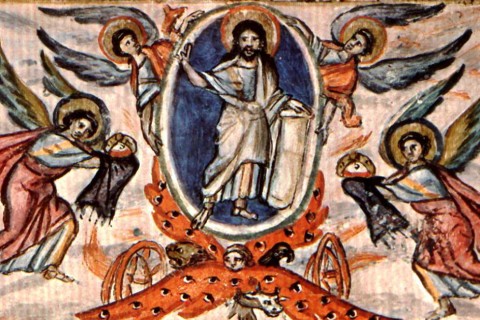
This is not a unblemished body rising to heaven. This is Jesus in the flesh, God carrying embodiedness through to the end.
Third group
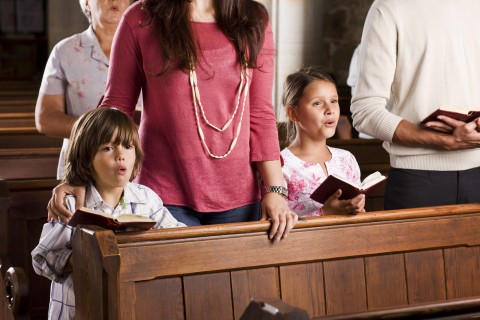
We go to church to worship, not just to be polite.
Our son told me his strategy for getting to safety. I hate that worst-case scenario planning is his reality.
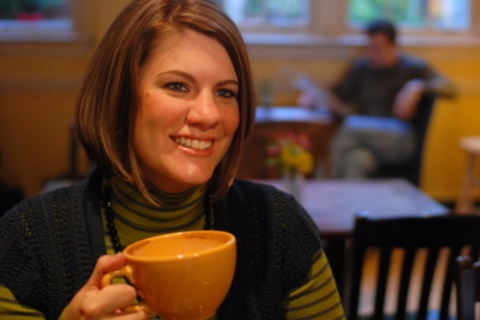
Rachel’s work changed the trajectory of American Christianity, but she was always grounded and generous.
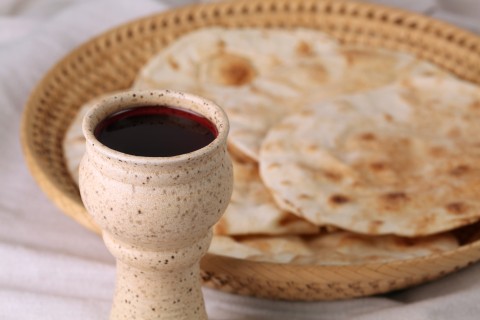
Before I could say the customary words, she reached for the pottery chalice and took drink after drink.
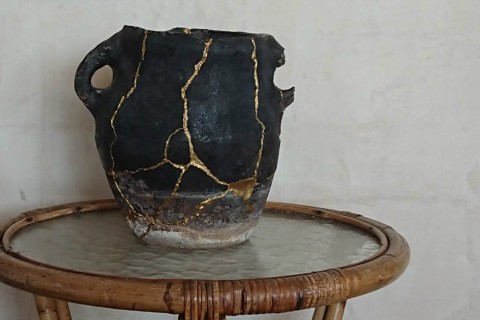
Our spiritual lives are like kintsugi pottery—mended with gold leaf along the cracks.
We’re preconditioned for self-gain and not for self-sacrifice. We need God’s help not only to do better but to want to do better.
Free Newsletters
From theological reflections to breaking religion news to the latest books, the Christian Century's newsletters have you covered.