

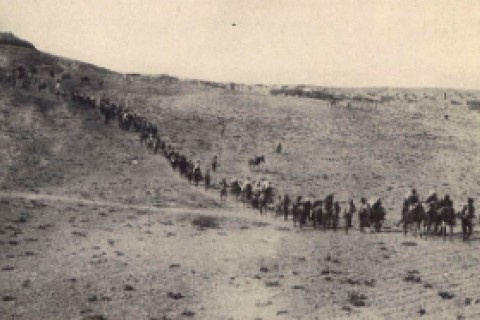
Never forget, never tell: An Armenian Americans dilemma of memory
My first trip to Turkey, the place where so many Armenian Christians were killed, found me in a land both strange to me and known in my bones.
Coining forgiveness
Like gravity ushering mercury free from a broken thermometer,prayer spirits my anger away and leaves me empty and clear.I look at the world I ignored during my indignation....
Pray as you can: Romans 8:26-39; Matthew 13:31-33, 44-52
"I don't know how to do this," I said to the nothingness. The Holy Spirit took it from there.
Fostering family: Romans 8:12-25
The other day my husband, Ken, and I splashed and swam in a pool, then ate burgers and drank iced tea at a barbecue hosted by our friends Ann Marie and Patricia. We are pleased and proud of the honorary titles “Uncle Ken” and “Auntie Rachel,” bestowed on us by this couple and the children they are raising. I’m also thankful for permission to tell their story, which has taught me much about what the apostle Paul calls “a spirit of adoption.”