

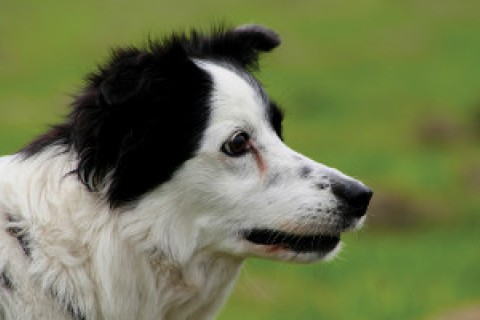
Unexpected grief: Elegy for a border collie
On February 23, Libya was convulsed in civil revolt. Oil prices spiked, and stock values plummeted. Meanwhile, in
New Jersey, a dog was euthanized. God
forgive me, but it is this last event that I will remember.
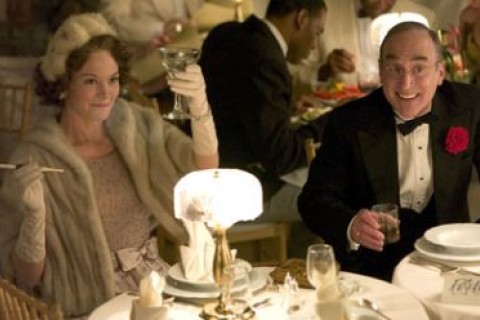
Tinseltown exposé
Television cemented stardom in the 1950s for many celebrities of radio, vaudeville and motion pictures—Lucille Ball, Milton Berle, even Alfred Hitchcock....
The last radio show
Robert Altman’s A Prairie Home Companion is such a deconstructionist’s dream that you almost expect the late Jacques Derrida to make a cameo appearance....
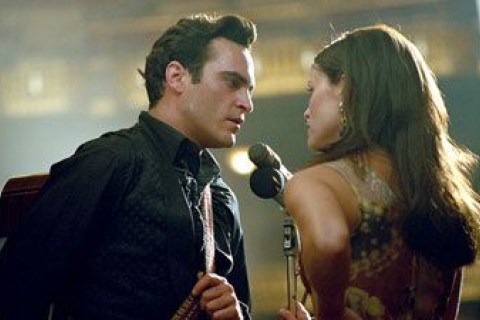
Man in black
Director Sidney Lumet once lampooned the “rubber ducky” school of drama: “Someone once took his rubber ducky away from him, and that’s why he’s a deranged killer.” In telling the story of singer Jo...