The Christian Century

Content on this page requires a newer version of Adobe Flash Player.

Get Adobe Flash player

Theolog Shop Amazon CCBlogs Subscribe to the Century ATLA
In This Issue

Features

Living by the Word

Faith Matters

Books

Film

Century Marks

Editor's Desk

News

Music / Video

Notes from the Global Church

Real Live Preacher

American Soundings

Classifieds

About Us

Mission

Masthead

Rights and Permissions

Submission Guidelines

Advertising

Milestones

Privacy Policy

Subscription Help

Subscribe

Renew Subscription

Change Your Address

Report Missing/Damaged Copy

Contact Subscription Services

Contact Us
News
April 08, 2008
Print This Article
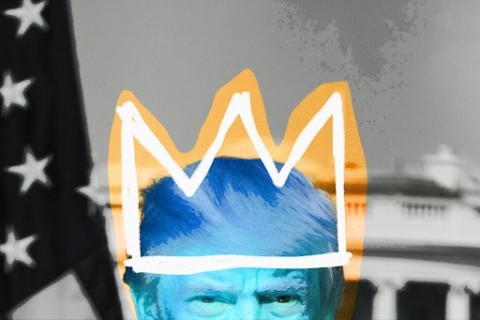
Despite church pleas, Bush vetoes bill to ban harsh interrogation
Calling tough interrogation methods a "valuable tool" in the war on terrorism, President Bush last month vetoed a bill to outlaw waterboarding in a rebuke to congressional Democrats and mainstream church leaders, including signers of a "United Methodists Do Not Torture" petition.

In his radio address March 8, Bush said, "Al-Qaeda remains determined to attack America again." He added that forcing captives to talk is critical, since "the best source of information about terrorist attacks is the terrorists themselves."

Democrats and civil libertarians said that the U.S. should not use inhumane techniques such as waterboarding, in which the subjects think they are drowning. House Speaker Nancy Pelosi (D., Calif.) cited statements by dozens of current and former U.S. military officials criticizing such harsh tactics.

More than 1,000 people signed the Methodist petition, launched February 20, urging Bush to sign the Intelligence Authorization Act, which last year passed the House and Senate and would have prohibited using torture against prisoners.

Though torture is used in many countries, the U.S. limits its ability to speak against such practices unless the country itself abolishes their use, said Bill Mefford, staff member of the United Methodist Board of Church and Society. Bush is a member of the denomination but has shown little or no signs of acknowledging the UMC social stances and pleas for action, say observers in Washington.

Addressing a friendly audience March 11 in Nashville, Bush gave a lengthy defense of his war policy in Iraq and Afghanistan to the National Religious Broadcasters. He spoke of fighting against the "enemy," including Taliban extremists in Afghanistan and "terrorists" in Iraq.

Bush said that he is determined to work for freedom in those two countries, both beset internally by conflict between rival factions. "We undertake this work because we believe that every human being bears the image of our maker," the president said.

The next day the Episcopal House of Bishops, meeting in Navasota, Texas, expressed dismay at Bush's veto of the bill that would ban "torturous interrogation techniques such as waterboarding." As followers of Jesus, who said, "love your enemies [and] do good to those who hate you," the bishops said, they found the interrogation practices "morally unacceptable" and urged Congress to override the veto. Political experts say proponents of the bill do not have enough votes for an override.

A letter from the National Religious Campaign Against Torture said that signing HR 2082 "would return our country to the paths of goodness and justice."

Several faith leaders wrote a joint letter asking to meet with the president before he made his decision. They included Michael Kinnamon, general secretary of the National Council of Churches; Richard J. Mouw, president of Fuller Theological Seminary; Ingrid Mattson, president of the Islamic Society of North America; and David Saperstein, a rabbi who directs the social justice arm of Reform Judaism.
Print This Article
Subscribe now and receive 2 free issues
Copyright 2006 Privacy Policy About Us Contact Us Classified Ads Advertising Submission Guidelines