
In Suzanne Collins's trilogy, and the recent movie
adaptation of the first book, the Hunger Games are a nationally-televised
spectacle in which 24 randomly chosen teenagers are forced to fight to the
death in a man-made arena. The annual Hunger Games are an instrument of
oppression by the Capitol--the center of totalitarian power that survived a
rebellion--to remind the 12 districts under its power just how powerless they
are.
The citizens of the Capitol love the Hunger Games. To
them it is pure entertainment. To the citizens of the 12 subservient districts,
it is a form of torture. Their children and neighbors become murderers or
victims, and they are forced to watch (literally--viewing is mandatory).
There is a paradox at the heart of The Hunger Games' appeal.
A cynical little demon perched on my shoulder as I began reading Philip Jenkins's Laying Down the Sword, which is more Old Testament exegesis and hermeneutics than anything else.
In
a blog post at the Wall
Street Journal, Conor
Dougherty describes a video game behavior that demonstrates what Century
writer Scott
Paeth calls "a distaste for playing evil."
According to Dougherty, gamers are finding ways to take some of the most
violent games and tweak characters or characters' behavior so that they
participate in the game with one notable difference--they don't kill.

Is exaggerated violence in Passion plays merely a product of our baser
natures? Or does the savagery actually have a proper place in the
crucifixion's meaning?
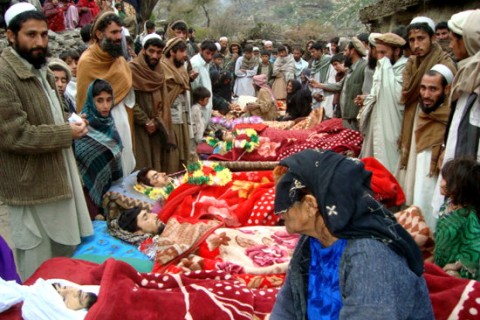
Each week my church includes a prayer for the families of American soldiers who have died. As the names are read, I try to hold them in prayer. But I have wrestled with these prayers.
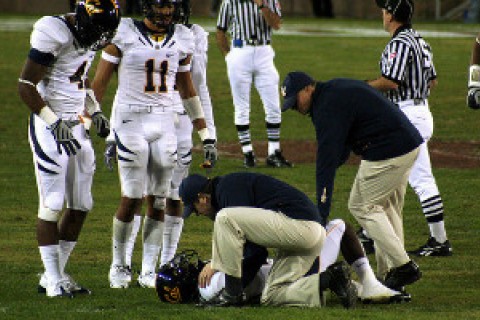
It's not primarily the financially shady elements that make me
ambivalent about my favorite sport. It's the sometimes dangerous levels
of violence.
The promise of Isaiah 65 is that God is doing a new thing. What's taking God so long?