

As I read the headline yesterday, my heart began to pound and my throat closed up: “School Clerk In Georgia Persuaded Gunman To Lay Down Weapons.” This was a good story—ultimately a hopeful one—but all I could see was “school” and “gunman."
If you haven't read about Ingrid Loyau-Kennett's heroism in London the other day, you should. Immediately after the brutal murder of British miltary drummer Lee Rigby, she hopped off a city bus and talked to the killers while they stood there holding their blood-drenched weapons.

We had a week of frightening headlines as each day greeted us with a new horror. Yet, the chorus soothes my troubled soul as I inhale and imagine God filling me with peace in the midst of all those dreadful dispatches.
Alexander Hamilton’s 1804 death in a duel galvanized popular opposition. We need a similar campaign around gun violence.

Filmmakers often defend cinematic violence by drawing a line between entertainment and the real world. But this devalues their work.
I'll join the chorus maintaining that this SNL sketch is aimed at Quentin Tarantino, not Jesus, and/or at bizarre distortions of Christianity, not Christianity itself.
What does it take to replace a culture that tolerates violence against women with one that insists on respect? According to Breakthrough, an organization based in the U.S. and India, a key element is enlisting men to actively enforce nonviolent, respectful norms.
A couple years ago, the group's Bell Bajao (Hindi for "Ring the Bell") project produced some amazing PSA videos in India.

When Peter Jackson plays up the theme of home, it's a loving riff on Tolkien. But why must he make war the driving engine of the The Hobbit?

Viewers don’t look to James Bond movies for profundity. Mostly they go to see buxom babes (now brainier and badder) and gravity-defying vehicle chases. But the most recent Bond installment offers some pertinent comments on technology.
Megan McArdle thinks that gun-control measures wouldn't accomplish much but that training kids to run at a shooter instead of away might. That's a weird payoff at the end of a 4,500-word post, but it's not as offensive as Charlotte Allen's argument.

Those of us in violence-plagued neighborhoods look forward to winter's reprieve. Our teenagers understand Advent waiting all too well.
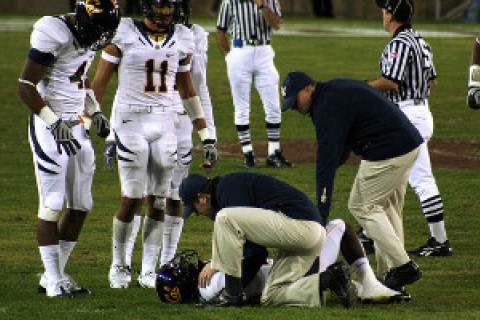
A sociologist might see in football a society's need to control and ritualize violence. The church fathers, however, weren't much for sociologists.
Our hearts go out to the victims [of the gurdwara shooting in Wisconsin] and their families, as we all struggle to comprehend the evil that begets this terrible violence.
Personally, I don't think we have to struggle too hard.

The Peaceable Kingdom pricks my conscience every time I see it because of the enormous gap between its vision and the world's reality.
America's problem with guns is multigenerational and multilayered. It has to do with our origin myths, myths grounded in redemptive violence.