Good citizenship starts on the playground
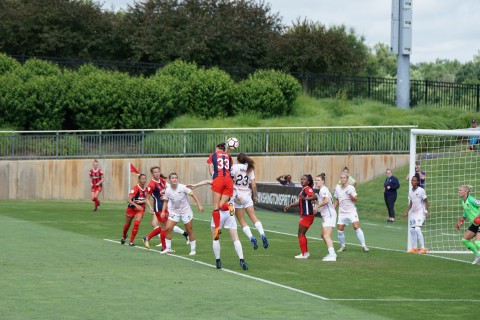
Through play, children acquire fundamental skills for living cooperatively with others.
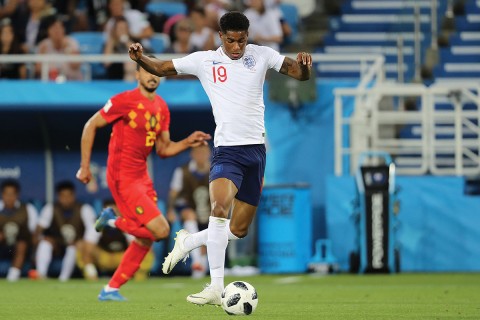
Marcus Rashford is keeping Christianity in the British limelight
To find religious activity among the nation’s young, look to Afro-Caribbean athletes.
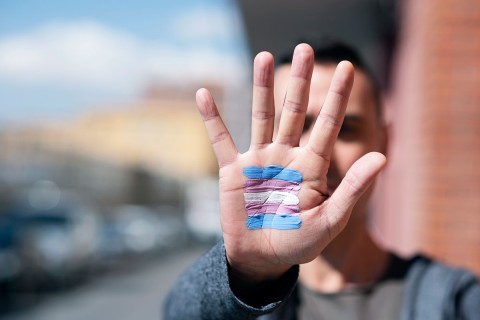
State anti-trans bills aren’t just culture wars skirmishes
They’re acts of harm against living, breathing people.
The problem with specialization
Chess players and golfers might benefit from an early, singular focus. Most people don’t.
Should Christians hunt animals?
A book of essays offers an array of perspectives for and against.
How Muhammad Ali influenced public debate
Jonathan Eig's biography shows how the boxer took on opponents in multiple arenas.
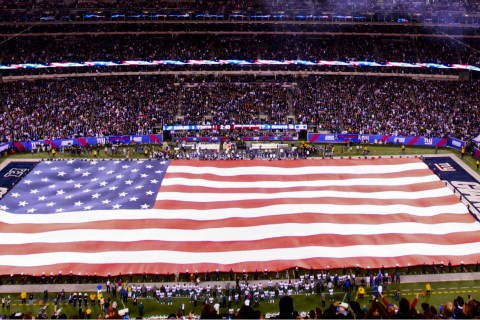
The military doesn't own the American flag
The controversy over athletes kneeling during the national anthem reveals America's unholy trinity of patriotism, militarism, and sports.
Love and horses
In C.E. Morgan’s world, anything goes as long as it’s couched in the language of the equine.

I keep seeing T. F. Charlton's Jason Collins post everywhere, and with good reason:
Tim Tebow is an example of how the public face of Christian athletes, like the public face of American Christianity in general, is overwhelmingly white—despite the fact that black Americans are the racial demographic most likely to identify as “very religious.” A recent Barna poll found that Tebow is by far the most well-known Christian professional athlete in the U.S. (with 83% awareness from the public), with retired white quarterback Kurt Warner a distant second at 59%. Robert Griffin III (RGIII), a black quarterback who’s had a far more successful season with the Redskins than Tebow’s had with the Jets, trailed at 34%.
It's a good point, but I don't think it's the whole story.
The NFL gambled on fans’ willingness to endure the replacement refs. It was wrong—a good development for whatever ethical margin a football fan might claim.
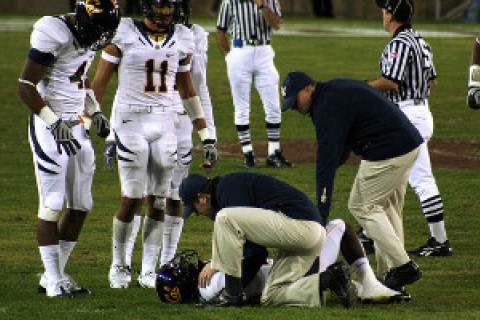
A sociologist might see in football a society's need to control and ritualize violence. The church fathers, however, weren't much for sociologists.

Title IX revolutionized sports at the scholastic and collegiate levels. The results show up elsewhere as well.
Last
weekend, ESPN fired an editor who posted
a racially offensive
headline about NBA player Jeremy Lin; the
network also suspended an anchor who used the same term. And taking the Lin
coverage as a starting point, SNL produced a parody mocking a media double standard: stereotypes about Asian
Americans are acceptable, but stereotypes about African Americans are
offensive.
The
Lin media storm exposes the myth of a colorblind society. As much as we want to
believe in meritocracy, equality and individuality, we rely on racial
assumptions to make sense of the world and those around us. In many cases, the
assumptions carry real consequences.
A friend sent me
an e-mail before yesterday's Steelers-Broncos playoff game. He titled it, "The
Steelers vs. God. Want to have brunch?"