
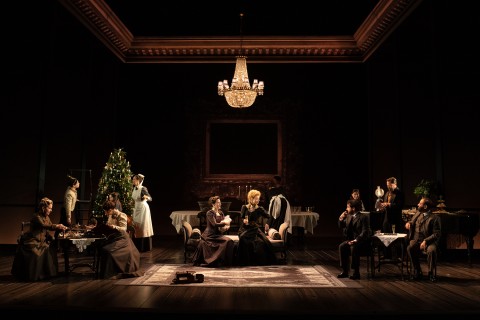
Tom Stoppard gets personal
Leopoldstadt grapples with the 86-year-old playwright’s Jewish roots and his fear about the direction of our society.
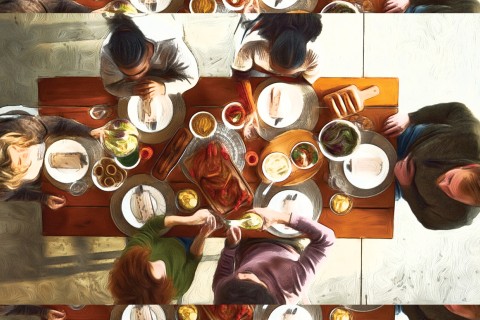
Learning from the Passover Seder without co-opting it
What wisdom can Christians find in Jesus’ meal-gathering around a religious holiday of his people?
A 21st-century Polish epic
Based on historical events, Olga Tokarczuk’s massive novel is simultaneously heartbreaking and comic.
A rabbi’s poetic wrestling with faith after the Shoah
In Yehiel Poupko’s poems, Jewish belief in God groans under the burden of divine silence.

I walked across Selma’s Edmund Pettus Bridge and saw a synagogue
Visiting Temple Mishkan Israel

Birthing you is an act of radical hope
Accepting the call to Black motherhood without averting my eyes from the spectacle of Black death
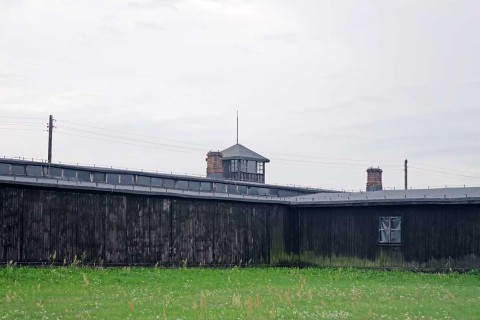
Standing in the remains of the death camps in Poland
I was outraged. I wanted to burn it all down. I wanted to pray.
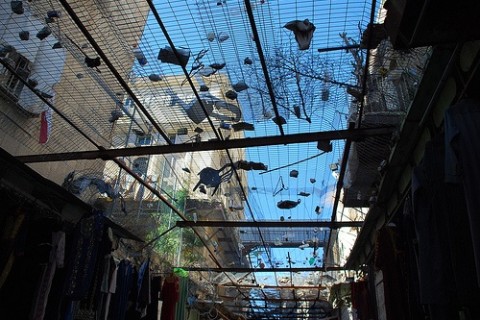
It is difficult for Jews to talk about the Israeli-Palestinian
conflict. It's also difficult for Christians to talk about it with Jews.
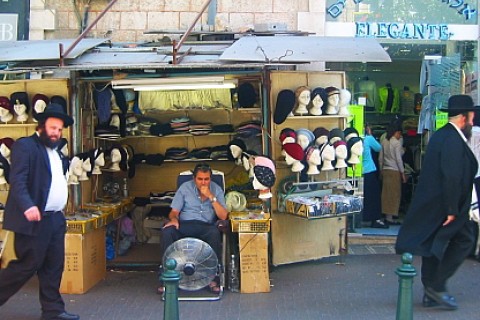
No week passes in Israel without an article being published—usually negative in tone—about the Haredi community.
When we complain about how busy we are, are we actually boasting of our importance?