

It is a challenging task to do justice, love kindness, and walk humbly with God.

Golden Calf and consuming fire
“One day,” says Avivah Zornberg, “I had a flash of insight about Leviticus as a whole.”
Is Christian celebrity harmful to the church?
Yes, says Katelyn Beaty, who defines celebrity as “fame’s shinier, slightly obnoxious cousin.”

A church undergoes structural change
The ELCA is about to gather for a national assembly. There are friends trying to dig through the roof to open a way for those who have been left out.

The Second Amendment has been shaped into an altar
Cowardly politicians sacrifice the helpless upon it.

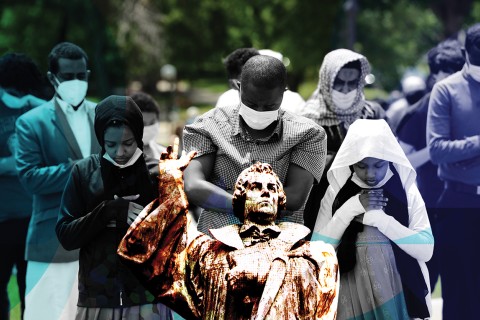
In declaring whose lives matter, Martin Luther failed his own idolatry test
When it comes to racism, we’re failing it too.

Imprinted on idols
Like goslings, we tend to attach ourselves to the wrong things—like political parties.

Guns are Americans’ golden calf
What began as respect for the Second Amendment has morphed into a colossal idolatry of lethal weapons.
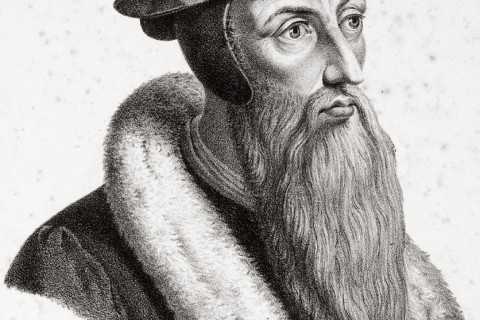
The logic of Calvin's reform
If Luther's reform was triggered by a critique of indulgences, Calvin's was triggered by a critique of idolatry.

Christopher Hitchens was an unrelenting unbeliever to the end. But Ross Douthat claims that everything about Hitchens points to an embrace of life and a refusal to give in to despair.
One of my seminary teachers once said that if you can’t think of anything original to preach, you should tell Bible stories—they have enough power to turn people’s hearts toward God. This may not work with every text, but it certainly works with the drama and wisdom of the story of Naboth and the story of the woman who washes Jesus’ feet with her tears.