


Bold economic intervention shouldn’t require a pandemic
It turns out the government can take big action to help people.
Wonkblog has taken to using “austerity crisis” in place of “fiscal cliff.” They’re right: “fiscal” is not very specific, while “cliff” suggests a problem that happens all at once.
The reality is a crisis that unfolds over time. And it’s caused not by our fiscal policy in general but by something very specific: a severe austerity package actively imposed by Congress the last couple times it kicked the can down the road.
And as we saw then, there are really two questions at hand: when to reduce the deficit and how. The latter is a relatively straightforward partisan standoff. The former has become rhetorically rather bizarre.
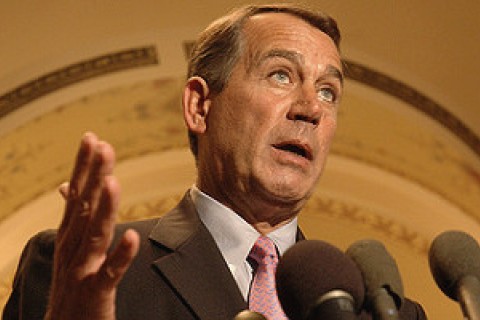
While past attempts at big deals have failed, this time Obama has serious leverage: House Republicans loathe the fiscal cliff's policies.

Unemployment is a human crisis. Yet the Obama administration, Congress and the Fed mostly act like it's not their problem.