The dream and the backlash
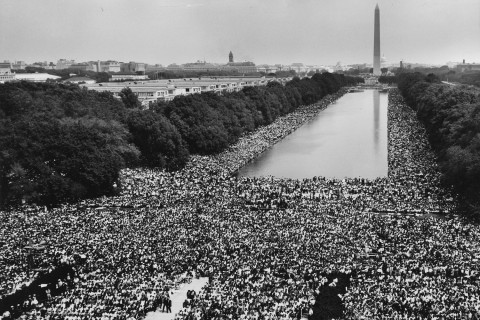
Sixty years after the March on Washington, we don’t talk much about how nervous it made White people.
The White church still owes “Letter from Birmingham Jail” an answer
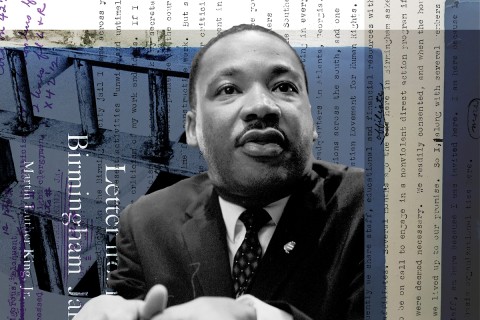
King’s letter is so soaked in US history that 60 years later we almost forget it was addressed not to the nation but to specific Christian pastors.
The dangerous doctrine of qualified immunity for police
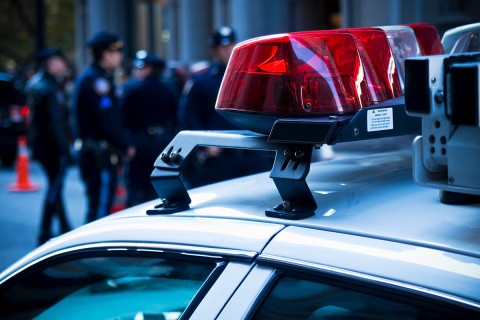
When officers can duck consequences for civil rights violations, policing is more dangerous for everyone.

I walked across Selma’s Edmund Pettus Bridge and saw a synagogue
Visiting Temple Mishkan Israel
Drawing close to Howard Thurman
Two new books invite us to learn from what others have loved about the civil rights icon.
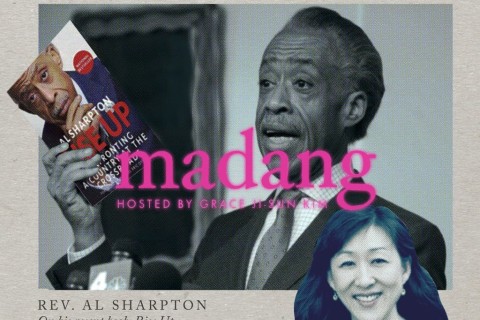
Episode 5: Pastor and activist Al Sharpton, author of Rise Up
A conversation with pastor and activist Al Sharpton about the George Floyd trial, Sharpton's upbringing in poverty, his relationship to James Brown, and more
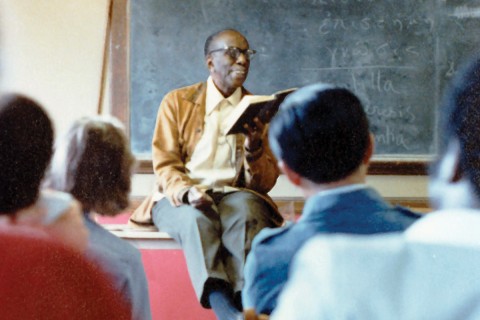
Howard Thurman’s contemplative nonviolence
The pastor and mentor to Martin Luther King formed a vision of resistance around prayer, not politics.

Does baking a cake count as protected speech?
Like many legal and moral disputes, the case involving a Colorado bakery and a same-sex couple hinges on finding the right analogy.
There are so many horrific events in the news. What do we do with the tumult of feelings that rushes through us when we hear about them? How do we navigate this world of lightning-fast news and online echo chambers where we can block particular perspectives and opinions? In these charged, gut-wrenching times, how do we process information and determine what course of action might align with our values?
In seminary a professor assigned “reaction/response papers.”
It’s important to understand the dysfunctions at church as systems. We know this. Most of us learn this in seminary. But then we get caught up in things, and it all feels so personal. So it’s good to remind ourselves of the reasons why systemic thinking makes sense.
In many books, the Jim Crow era is mediated through the sensibilities of white people. Jim Auchmutey shrewdly avoids this.
In 1960, when Vincent Harding moved to Atlanta, he began trying to weld together the ongoing nonviolent activism being lived out by some in the Black Church with the peace witness of the Mennonite Church. This effort became less than a decade long experiment, because Harding would eventually break formal ties with the Mennonite Church. Though his time and effort keeping a foot simultaneously in both the Black community and Mennonite community was fixed should not suggest to us that he no longer had an important role to play in for Mennonite lived faith or that he did not continue to influence the Mennonite Church deeply. In fact, his ongoing legacy for the Mennonite Church lives on today.
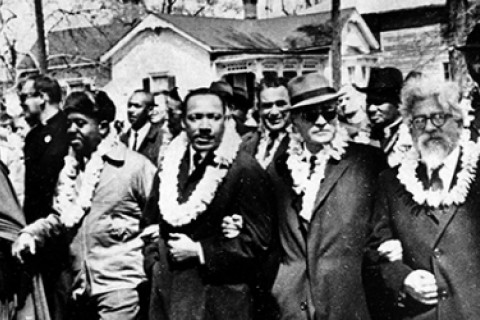
The third Selma-to-Montgomery march was a civil rights watershed. It also focused the lives of many who gave it its spiritual hue.
The calendar tells me I’m getting old. Fifty years ago, in Selma, Alabama, I was getting educated.
A college student in Wisconsin at the time, I ventured south to participate in the civil rights movement, including the voting-rights march from Selma to Montgomery that began on March 21, 1965.
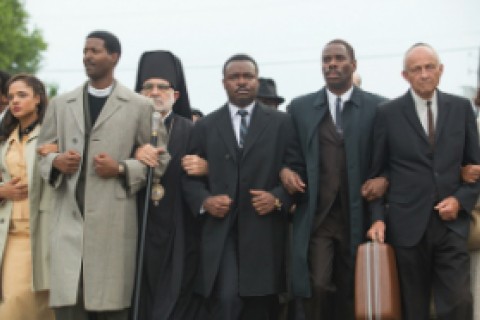
Seven of this year's eight best picture nominees are stories of lone, white heroes—stories that seem out of touch with the times. The exception is Selma.